3d Layered Decorative Mandala Clock Art
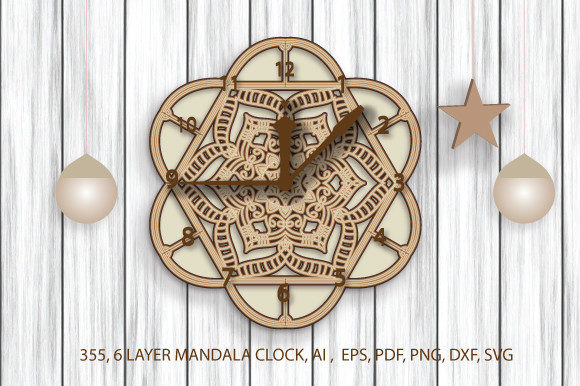
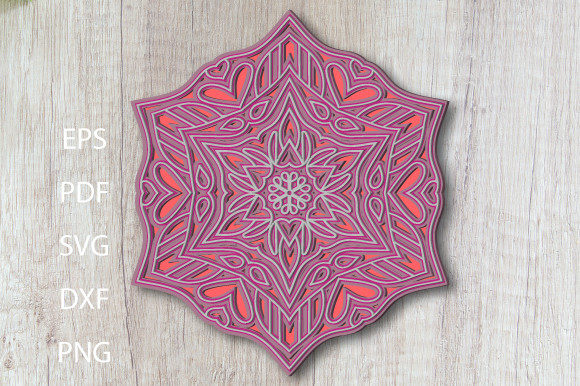
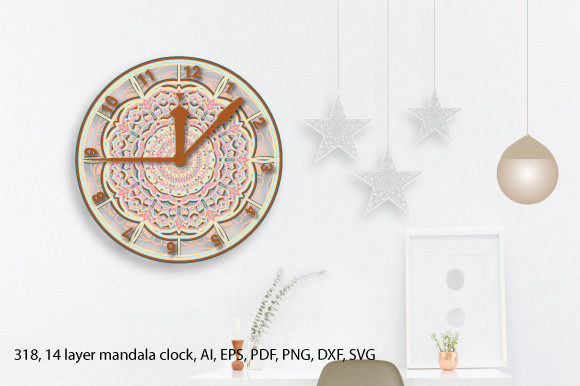
If you are looking to transform a plain wall into a conversation piece, this extraordinary 3D multilayered colorful mandala clock illustration offers a solution that goes far beyond standard timepieces. It is not merely a tool for telling time; it is a statement of modern luxury and artistic flair. The design features various shapes and vibrant colors that create depth and movement, making it a gorgeous addition to any interior space. Whether you are a professional designer seeking high-quality assets or a hobbyist wanting to add a touch of elegance to your home, the versatility of this product allows you to use it for any purpose you wish.
However, acquiring the right digital file is only half the battle. Many creators rush into cutting or printing projects without understanding the nuances of layered vector art. To ensure your final project matches the luxurious quality of the original design, it is crucial to understand what makes this specific 3d Layered Decorative Mandala Clock Art effective and how to avoid common pitfalls that can ruin the visual impact.
Understanding the Value of Multilayered Design
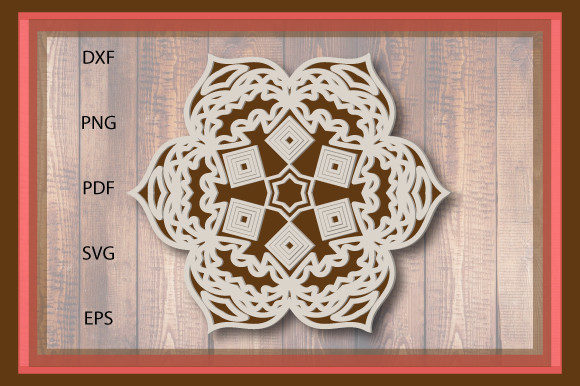
The true power of this illustration lies in its construction. Unlike flat images that look two-dimensional on a screen, this mandala clock is designed with distinct layers. This layering creates a parallax effect when cut from materials like wood, acrylic, or foam board, giving the artwork physical depth. When light hits the different planes, shadows are cast, enhancing the intricate details of the mandala pattern.
Beginners often mistake a simple raster image for a cut-ready file. If you attempt to cut a PNG directly without converting it to vectors, you will lose the precision required for tight joints. This is why the inclusion of multiple file formats is critical. You receive a comprehensive package containing 01 DXF file, 01 PDF, 01 PNG, 01 EPS, and 01 SVG within a compressed zip file. Each format serves a specific purpose in the workflow, ensuring compatibility with different software and machinery.
Common Pitfalls in Digital Craft Projects
One of the most frequent mistakes makers make is ignoring the scale of the design before starting production. A beautiful mandala clock might look perfect on a computer monitor, but if the dimensions are too small for the material thickness you intend to use, the structural integrity could fail. Conversely, if the design is too large for your workspace, you may face logistical nightmares during assembly.
Always check the scaling settings in your design software before sending the file to your cutter. Ensure that the units (millimeters vs. inches) match your machine's requirements. Failing to do so can result in wasted materials and a finished product that does not fit the intended wall space.
Another oversight involves the color separation. Since this is a colorful mandala, users sometimes assume the colors in the preview image are permanent. In reality, the colors are for visualization only. The actual cuts rely on the vector paths. If you plan to paint the layers after cutting, you must account for the material thickness affecting the final alignment. Without proper planning, the layers might not stack correctly, causing the "3D" effect to look disjointed rather than seamless.
Selecting the Right File Format for Your Workflow
To get the best results, you need to know which file to open based on your equipment. Using the wrong format can lead to jagged edges or missing details. Here is a practical guide to help you navigate the files included in your download:
- DXF Files: These are the industry standard for CNC routers and laser cutters. They contain precise coordinate data that machines read directly. If you are using a machine like a Glowforge or a Shapeoko, start here. However, always verify that the line weights are set to zero or hairline to prevent accidental engraving marks.
- SVG Files: Perfect for hobbyists using desktop software like Silhouette Studio or Cricut Design Space. SVGs allow for easy editing of individual layers. You can resize the mandala components without losing quality, which is essential if you want to customize the size of the clock hands or the outer frame.
- EPS Files: Ideal for professional graphic designers using Adobe Illustrator. This format preserves complex gradients and vector paths, allowing for high-end manipulation before export to a cutting format.
- PDF Files: Useful for quick previews or printing templates. While they can be used for cutting, they are less editable than SVGs or DXFs. Use them primarily for reference to see how the layers align.
- PNG Files: These are raster images meant for display purposes. Do not attempt to cut a PNG directly. Instead, use it as a visual guide to trace over in your vector software if you need to modify the design slightly.
Avoiding Assembly Errors
Even with perfect files, the assembly process can go wrong if you do not pay attention to the order of operations. A common error is assuming all layers are the same size. In a layered mandala, some inner circles might be smaller than the outer rings. If you try to force them together without checking the layer hierarchy, you risk breaking the delicate parts of the design.
Solution: Organize your layers in your software by name or color code before cutting. Create a mock-up using scrap paper or cardboard first. This low-cost test run helps you visualize the stacking order and identify any potential interference between layers. It is far better to waste a few sheets of cardboard than expensive hardwood or acrylic.
Maximizing the Aesthetic Potential
Once you have successfully cut the pieces, the real magic happens with the finish. Because this 3d Layered Decorative Mandala Clock Art is described as stylish and modern, the choice of material matters immensely. Light-colored woods like birch or maple highlight the intricate details, while darker woods like walnut offer a more luxurious, dramatic contrast. Paint can also be used to mimic the colorful illustration provided in the preview, but remember that hand-painting adds significant labor time.
For entrepreneurs and small business owners looking to sell handmade clocks, consistency is key. The variations in natural wood grain can affect the final look. To maintain a professional brand image, select materials with consistent coloring or embrace the natural variation as a unique selling point. Always sand the edges smooth before assembling to ensure a polished, high-end feel.
Final Thoughts on Execution
This product is designed to be flexible, offering a compressed zip file that streamlines your workflow. By respecting the technical requirements of the DXF and SVG files and taking the time to plan your assembly, you can achieve a result that truly honors the original design. Avoid the temptation to skip the testing phase or ignore the layer instructions. With careful preparation, this multilayered mandala clock becomes more than just a decoration; it becomes a testament to your skill and creativity.
Whether you are creating a custom gift, expanding your product line, or simply enjoying a weekend project, the combination of modern style and traditional craftsmanship found in this design offers endless possibilities. Take the time to explore the files, understand the layers, and let your imagination guide the final presentation. The result will be a stunning centerpiece that stands out in any room.