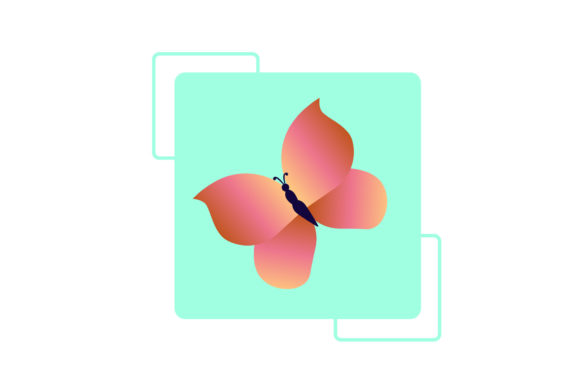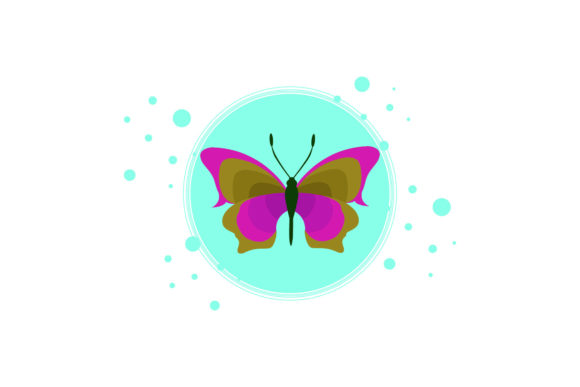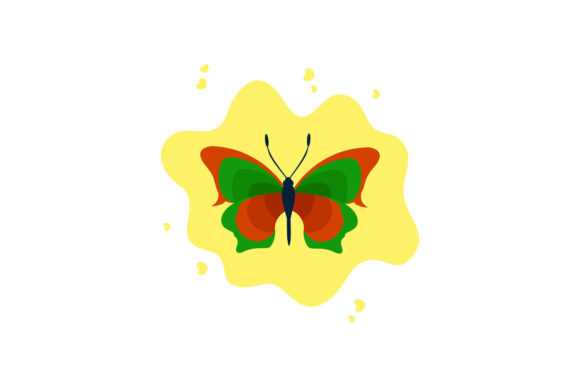
Butterfly Decorative Icons
In the fast-paced world of digital design, finding assets that balance aesthetic appeal with technical flexibility is a constant challenge. Butterfly decorative icons have emerged as a versatile solution for professionals and hobbyists alike who need to convey themes of transformation, nature, and elegance without compromising on workflow efficiency. Whether you are crafting a logo for a wellness brand, designing a t-shirt graphic for a boutique clothing line, or creating an animation for a social media campaign, the right visual element can elevate a project from mundane to memorable.
The relevance of these icons extends beyond simple decoration. They represent a shift in user expectations where audiences demand high-quality, scalable graphics that look crisp on any device, from a mobile screen to a massive billboard. This is where the specific utility of vector-based designs becomes critical. Unlike raster images that pixelate when enlarged, vector files maintain their integrity at any size, making them indispensable for modern design needs.
The Evolution of Digital Illustration and Vector Design
Design trends have moved away from static, rigid imagery toward fluid, organic forms that resonate with human emotions. The butterfly, a universal symbol of change and beauty, has naturally found its way into this new wave of creative expression. However, the medium matters just as much as the subject. In the past, designers might have relied on low-resolution clip art that required extensive manual tracing or suffered from quality loss upon scaling. Today, the standard has shifted entirely toward vector formats.
Butterfly decorative icons vector design graphic suitable for your design needs logos, illustrations, animations, t-shirt designs, etc., represent a significant leap forward in asset management. These files are not merely pictures; they are mathematical constructs that allow for infinite manipulation. For entrepreneurs and freelancers, this means the ability to adapt a single asset across multiple platforms—web, print, merchandise, and video—without needing to purchase separate versions or hire additional illustrators to redraw elements.
This evolution aligns with current market preferences for agility. Businesses now operate in environments where speed-to-market is essential. A designer should not spend hours redrawing a logo for a business card after it was created for a website header. With the right vector tools, the same core asset can be resized, recolored, and reconfigured instantly. This capability addresses the growing demand for cohesive branding across diverse touchpoints.
Why Vector Files Are Non-Negotiable for Modern Workflows
The practical implications of using vector formats like AI, EPS, and SVG cannot be overstated. These file types are openable, editable, and resizable without losing quality, which is a fundamental requirement for professional output. When a client requests a change to a logo color or a slight adjustment to the wing shape, vector files allow for precise editing that would be impossible with standard image formats.
Consider the scenario of a small business owner launching a new product line. They need packaging, a website banner, and promotional t-shirts. If they start with a bitmap image, the resolution will drop significantly when printed on large packaging or stretched for a web banner. However, starting with a high-quality vector source ensures that every application looks sharp and professional. This reliability builds trust with clients and reduces the risk of costly reprints or failed campaigns.
Furthermore, the integration of these graphics into animations has become seamless. SVG files, in particular, are native to the web and can be manipulated via code to create interactive experiences. A butterfly icon can flutter, change color on hover, or morph into another shape, adding a layer of engagement that static images simply cannot achieve. This interactivity is increasingly expected by users who navigate content-rich websites and apps daily.
A Comprehensive Toolkit for Diverse Creative Needs
To truly maximize the potential of these assets, access to a variety of file formats is essential. The ideal download includes a robust suite of files tailored to different stages of the design process. A typical comprehensive package contains 1 AI 10 file, 1 EPS 10 file, 1 PNG file, 1 JPG file, and 1 SVG file. Each serves a distinct purpose in the workflow.
- AI 10 File: This is the native Adobe Illustrator format, offering full editability for professionals who use the industry-standard software. It preserves layers, effects, and paths, allowing for deep customization.
- EPS 10 File: Widely compatible with various design applications including CorelDRAW and older versions of Illustrator, this format ensures cross-platform compatibility and is excellent for print workflows.
- SVG File: Scalable Vector Graphics are perfect for web development. They load quickly, scale perfectly on Retina displays, and can be animated directly within the browser.
- PNG and JPG Files: While vectors are the foundation, these raster formats are necessary for quick previews, email marketing, or situations where vector support is unavailable. High-resolution PNGs with transparent backgrounds are particularly useful for overlaying designs on various backgrounds.
This variety ensures that whether you are a seasoned graphic designer working in a corporate agency or a hobbyist using free online editors, you have the right tool for the job. The inclusion of both legacy and modern formats bridges the gap between different technologies and software ecosystems.
Practical Applications Across Industries
The versatility of butterfly decorative icons makes them applicable across a wide spectrum of industries. For marketers, these icons serve as powerful visual anchors in email newsletters and landing pages, drawing attention to calls to action with organic shapes that feel less intrusive than geometric alternatives.
In the realm of apparel design, specifically for t-shirt printing, the vector nature of the graphics is paramount. Screen printing and direct-to-garment (DTG) processes require clean lines and scalable vectors to ensure the ink adheres properly and the design remains vibrant after washing. A vector file allows the printer to scale the design to fit any garment size without introducing jagged edges or blurriness.
Educators and bloggers also benefit from these resources. Creating engaging course materials, blog headers, or presentation slides often requires unique visuals that stand out. Using pre-designed, high-quality vector icons saves time that can be better spent on content creation. Instead of spending hours searching for the perfect image, creators can import a butterfly icon, adjust its colors to match their brand guidelines, and integrate it immediately.
Meeting User Expectations in a Visual-First World
Today's audience is visually literate and highly discerning. They expect brands to communicate clearly and beautifully. A pixelated or low-resolution image can signal a lack of attention to detail, potentially undermining the credibility of a business. By utilizing high-quality butterfly decorative icons vector design graphic solutions, professionals demonstrate a commitment to excellence.
The trend towards personalization and customization further drives the need for editable assets. Users want to see how a design looks in their specific context before committing to it. Editable vector files empower designers to tweak elements to suit specific cultural contexts or seasonal themes. For instance, changing the color palette of a butterfly icon to reflect spring blooms versus autumn harvests allows a brand to stay relevant throughout the year without losing brand identity.
Moreover, the ease of use associated with these downloads democratizes design. Even those with limited technical skills can produce professional results by leveraging the structure of well-organized vector files. The "easy to use" aspect is not just a marketing claim but a functional reality that reduces the barrier to entry for aspiring creators and busy professionals alike.
Moving Forward with Sustainable Design Practices
As we look to the future of design, sustainability and efficiency are becoming central themes. Reducing waste—both physical and digital—is a priority. Vector files contribute to this goal by reducing the need for multiple iterations and reprints. A single, well-crafted vector asset can serve a project indefinitely, adapting to new requirements without the need for new purchases or complex recreations.
This approach fosters a more sustainable creative economy. By investing in high-quality, reusable assets, businesses reduce their reliance on mass-produced, generic stock imagery that often lacks character. Instead, they cultivate a unique visual language that resonates with their specific audience.
The butterfly icon, with its inherent symbolism of metamorphosis, perfectly mirrors the ongoing transformation of the design industry itself. As technology evolves and new platforms emerge, the ability to adapt our visual assets is crucial. Embracing flexible, high-quality vector resources ensures that creators remain agile, capable of meeting the demands of tomorrow while delivering value today.
In conclusion, integrating butterfly decorative icons into your design repertoire is more than just a stylistic choice; it is a strategic decision that enhances workflow, improves output quality, and supports broader business goals. Whether you are building a brand from scratch or refreshing an existing identity, the combination of artistic beauty and technical precision offered by these vector files provides a solid foundation for success.