Decorative Ocean Reef Tubes Coral: A Guide to Smarter Design Choices
When you first encounter Decorative Ocean Reef Tubes Coral, the initial reaction is often one of visual delight. The intricate details, the monochrome elegance, and the promise of bringing a slice of the deep sea into your workspace or home are compelling. However, beneath the surface of this beautiful vector illustration lies a landscape of potential pitfalls that can turn a great design asset into a frustrating project delay. Whether you are a seasoned graphic designer, a small business owner launching a marine-themed brand, or an educator creating engaging materials, understanding the nuances of this specific asset is crucial.
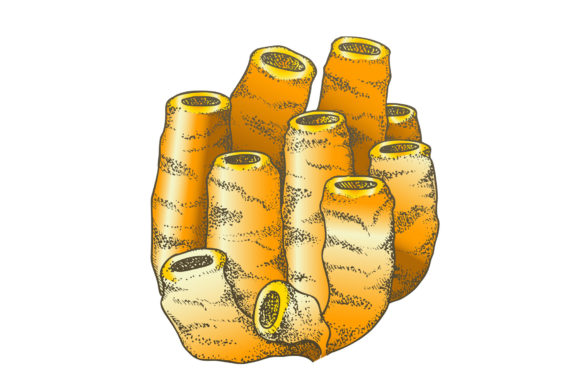
The core appeal of these tubes lies in their representation of underwater inhabitant polyp life and growth on reefs. They capture the essence of marine creatures and beautiful flora and fauna concepts without the clutter of color, making them versatile for monochrome illustrations. Yet, many users rush to download formats like JPG or EPS without considering how these files will actually function within their final workflow. This article aims to correct common misconceptions and guide you toward using these assets effectively.
Understanding the Asset and Its True Potential
Decorative Ocean Reef Tubes Coral is not merely a picture of a plant; it is a stylized interpretation of complex biological structures. The vintage vector style adds a layer of sophistication, evoking the feeling of old scientific illustrations or nautical maps. This aesthetic works exceptionally well for branding, packaging, educational posters, and web backgrounds where a clean, high-contrast look is required.
However, the "vintage" aspect is often misunderstood. It does not mean the image is low quality or outdated. Instead, it refers to the line work and composition. When applied correctly, this style communicates heritage, stability, and natural beauty. The inclusion of polyp life and growth patterns suggests movement and organic complexity, which can elevate a static layout into something dynamic. But this only happens if the file format matches your intended output.
The Format Trap: JPG vs. EPS
One of the most frequent errors occurs when users select the wrong file format based solely on convenience. You might see that both JPG and EPS are available and assume they are interchangeable. This assumption can lead to significant issues down the road.
- JPG Limitations: While convenient for quick previews or web use, JPG is a raster format. If you need to scale the Decorative Ocean Reef Tubes Coral up for a large banner or print a poster, the image may become pixelated. The loss of detail in the delicate tube structures is immediate and difficult to fix.
- EPS Advantages: The Vector version preserves the mathematical paths of the lines. This means you can resize the coral tubes from a tiny icon to a massive wall mural without any loss of sharpness. For professional applications involving marine creature concepts, the EPS format is almost always the superior choice.
If you choose JPG for a print job, you risk wasting money on reprints due to blurriness. If you choose EPS for a simple social media post without converting it properly, you might face compatibility issues with certain mobile editing tools. Always verify the final destination of your design before downloading.
Common Mistakes in Application and Integration
Even with the correct file format, the way you integrate the coral tubes into your project matters. Many creators treat decorative elements as afterthoughts, simply placing them on a background and hoping for the best. This approach often results in designs that feel disjointed or visually heavy.
Ignoring Scale and Context
A common mistake is failing to adjust the scale of the Decorative Ocean Reef Tubes Coral relative to other elements. In a monochrome illustration, contrast is key. If the coral tubes are too small, they get lost in white space. If they are too large, they dominate the composition, obscuring text or other critical information about the marine environment.
Consider the concept of "breathing room." These tubes represent growth and expansion. To convey this naturally, ensure there is enough negative space around the polyp life structures. Crowding them makes the design feel claustrophobic rather than organic. A better approach is to layer the tubes behind text or use them as subtle borders, allowing the viewer's eye to travel through the image just as water flows over a reef.
Overlooking Color Compatibility
Although the primary offering is a monochrome illustration, designers often struggle when trying to add color later. Some users attempt to recolor the vector lines directly in software that doesn't support advanced path coloring, leading to muddy results. Others ignore the fact that monochrome assets work best when paired with complementary palettes.
If you plan to introduce color to highlight the marine creature aspects, do so sparingly. Use the black-and-white tubes as the foundation and apply color only to specific focal points, such as a single fish or a patch of algae. This technique maintains the vintage aesthetic while adding depth. Avoid saturating the entire image, as this destroys the elegant simplicity of the original vector art.
Evaluating Quality Before You Commit
Before purchasing or downloading any asset, including Decorative Ocean Reef Tubes Coral, take a moment to evaluate its technical integrity. A cheap download might look good on a screen but fail miserably upon closer inspection. Here are the critical checks you should perform:
- Check the Line Weight: Zoom in to 400% or more. Are the lines uniform? Do they have jagged edges? High-quality vectors should have smooth, consistent strokes regardless of zoom level.
- Verify Layer Separation: Open the EPS file in a vector editor. Can you isolate individual coral tubes or polyp clusters? If the entire image is flattened into a single shape group, you lose flexibility. Being able to separate the "flora" from the "fauna" allows for creative rearrangement.
- Assess the Complexity: Does the file contain thousands of unnecessary anchor points? Excessive complexity can slow down your software and make editing difficult. Look for a balance between detail and efficiency.
Making a decision without these checks can lead to frustration during the design phase. You might spend hours trying to edit a messy file, only to realize you should have started with a cleaner source. Taking five minutes to inspect the file structure saves hours of troubleshooting.
Practical Advice for Better Results
To ensure satisfaction and efficiency with your Decorative Ocean Reef Tubes Coral assets, adopt a strategic mindset. Start by defining the story you want to tell. Are you focusing on the growth of the reef, the interaction of polyps, or the broader ecosystem?
Once you have a clear vision, experiment with opacity and blending modes. Placing the monochrome tubes over a textured background can create a sense of depth that flat images lack. Try overlaying the coral on a gradient that mimics the changing light of the ocean floor. This technique enhances the "underwater" feel without needing realistic photography.
For entrepreneurs and marketers, consider the versatility of the vintage style. It appeals to audiences who appreciate authenticity and craftsmanship. Using these tubes in logos or packaging can signal a commitment to quality and nature. However, ensure the design remains legible at small sizes. Test your logo on a business card mockup to confirm the coral details don't vanish when scaled down.
Finally, respect the source. If you are modifying the vector, keep the original file safe. Reverting changes or extracting unused elements is much easier when you have a pristine backup. This practice is essential for maintaining a professional workflow and avoiding the chaos of disorganized project folders.
By approaching Decorative Ocean Reef Tubes Coral with these precautions and strategies, you transform a simple graphic into a powerful tool for communication. Whether you are designing for education, commerce, or personal projects, the difference between a mediocre result and a standout piece often comes down to these thoughtful decisions. Take the time to understand the asset, choose the right format, and apply it with intention. Your final design will reflect that care, resulting in higher quality, greater efficiency, and increased satisfaction for everyone involved.