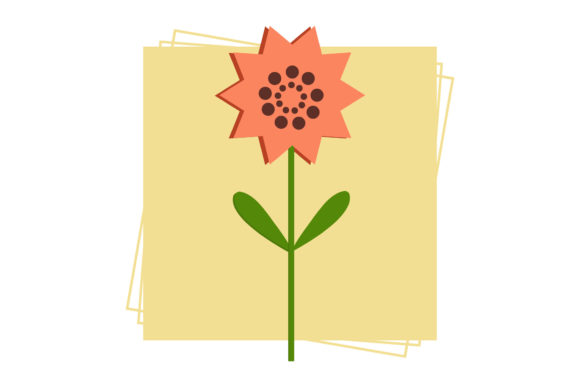
Flower Decorative Design: Elevating Your Projects with Precision and Style
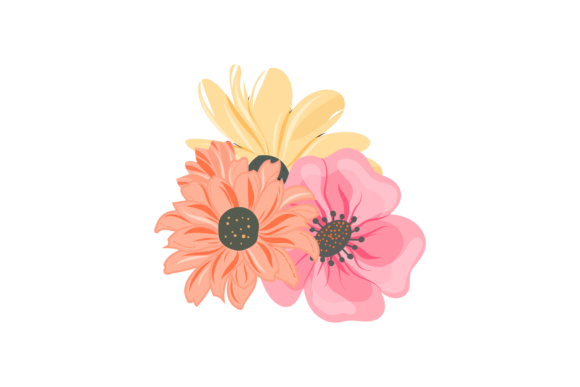
When you are looking to add a touch of elegance or natural beauty to your creations, Flower Decorative Design offers an immediate solution that bridges the gap between artistic vision and practical application. Whether you are a small business owner crafting branded merchandise, a blogger seeking unique visuals for your posts, or a hobbyist creating custom home decor, the right floral assets can transform a generic layout into something memorable. However, the journey from finding a design to using it effectively is often fraught with technical hurdles that many creators overlook until it is too late.
Many individuals rush to download graphics without verifying the file formats or canvas dimensions, leading to frustrating experiences when trying to scale images for different mediums. A design that looks perfect on a smartphone screen might appear pixelated and unprofessional on a large banner or a high-resolution print. This discrepancy often stems from not understanding the specific requirements of vector versus raster files. To avoid these pitfalls, it is essential to approach your selection process with a clear understanding of what you need and how the final product will be used.
Understanding the Technical Nuances of Floral Assets
One of the most common mistakes made by beginners is assuming that all image files are created equal. When purchasing or downloading a Flower Decorative Design, the format you receive dictates its flexibility. If you only have a JPG or PNG, you are limited in how much you can resize the image without losing quality. These are raster formats, meaning they rely on pixels. Stretch them too far, and they become blurry. On the other hand, vector formats like AI, EPS, SVG, and DXF allow you to scale the design infinitely without any loss of detail.
Consider the scenario where you decide to put your floral design on a large outdoor sign one day and a small business card the next. Without vector files, you would be forced to recreate the artwork from scratch or settle for a low-quality result. By securing a package that includes both vector and raster formats, you ensure that your designs remain crisp and professional across every single medium. This versatility is not just a luxury; it is a necessity for anyone serious about maintaining a high standard of visual communication.
The Importance of Canvas Size and Resolution
Another critical factor often ignored is the canvas size. Many users assume that a standard web resolution is sufficient for all projects, but this is rarely the case. For high-quality printing or detailed digital work, a canvas size of 1920px by 1280px provides a robust foundation. This resolution ensures that the intricate details of the flower petals and leaves are captured with clarity. If you choose a design with a lower resolution, you risk introducing artifacts or jagged edges that can undermine the aesthetic appeal of your project.
Before making a purchase decision, always check the specifications of the digital files. Are they large enough to accommodate your intended use? Do they offer the necessary layers for editing? Ignoring these details can lead to wasted time and money, as you may find yourself unable to use the asset in the way you originally planned. Taking a moment to verify these parameters upfront saves significant effort later in the workflow.
Maximizing Efficiency with Comprehensive File Packages
To truly streamline your creative process, you need a resource that offers more than just a single image. A comprehensive package is designed to adapt to your evolving needs. Imagine receiving a set of 6 Digital Files tailored to cover every base. This variety allows you to switch seamlessly between different software applications and output requirements without needing to convert files manually, which can often degrade quality.
Here is what a well-rounded collection typically includes and why each component matters:
- 1 AI File: The native Adobe Illustrator format. This is the gold standard for professional designers who need to edit paths, change colors, or manipulate individual elements within the Flower Decorative Design.
- 1 EPS File: An industry-standard vector format compatible with a wide range of graphic design software. It is excellent for sharing with clients or colleagues who may not use Adobe products.
- 1 SVG File: Perfect for web developers and digital marketers. SVGs are lightweight, scalable, and ideal for responsive web design, ensuring your floral motifs look sharp on any device.
- 1 DXF File: Essential for those working with cutting machines like Cricut or Silhouette. This format allows you to create physical crafts, such as vinyl decals, t-shirts, or paper cutouts with precision.
- 1 JPG File: A universally compatible format for quick previews, social media posts, or situations where layering is not required.
- 1 PNG File: Offers transparency support, making it easy to place the flower design over any background color or image without unsightly white boxes.
By having access to this diverse array of formats, you eliminate the guesswork. You no longer need to search for a converter tool or worry about compatibility issues. Each file type serves a specific purpose, ensuring that whether you are designing a website, printing a brochure, or crafting a handmade gift, you have the exact tool needed for the job.
Avoiding Common Pitfalls in Selection
When evaluating options, be wary of sellers who offer only a single file type or unclear specifications. This limitation often forces you to compromise on the quality of your final output. Additionally, ensure that the files you receive are truly "easy to edit." Some packages come with flattened images that cannot be modified, rendering the vector formats useless. Always confirm that the layers are intact and that the design is grouped logically.
Furthermore, consider the longevity of your investment. A high-quality Flower Decorative Design should be a versatile asset that grows with your projects. If you start with a simple blog post and expand into a full line of merchandise, having the original source files means you never have to start over. This foresight protects your budget and enhances your productivity.
Final Thoughts on Quality and Usability
In conclusion, the difference between a mediocre project and a standout creation often lies in the quality of the assets used. By choosing a package that prioritizes versatility, such as one offering 6 distinct file formats including AI, EPS, SVG, DXF, JPG, and PNG, you empower yourself to tackle any design challenge with confidence. The 1920px x 1280px canvas size ensures that your work remains sharp and professional, regardless of the platform.
Remember, the goal is not just to have a pretty picture, but to have a functional tool that integrates smoothly into your workflow. Avoid the temptation to cut corners on file types or resolution. Instead, invest in resources that provide complete control and flexibility. With the right tools at your disposal, you can focus on what you do best: creating beautiful, meaningful content. Thank you for visiting my product page, and I hope this information helps you make the best choice for your creative endeavors.