Mandala Arabic Decorative Background Art: A Practical Evaluation for Modern Designers
The intersection of geometric precision and calligraphic fluidity creates a unique visual language that has captivated designers for decades. Mandala Arabic Decorative Background Art represents a specific subset of this aesthetic, blending the radial symmetry of mandalas with the elegant curves of Arabic script. For professionals ranging from graphic designers to small business owners, these assets are not merely decorative; they serve as foundational elements that can elevate brand identity, enhance user experience, and add cultural depth to digital and print projects.
When evaluating resources like this collection, the focus must shift beyond simple aesthetics to technical utility and workflow integration. The value of such a product lies in its versatility across various platforms and its ability to maintain clarity at different scales. This analysis explores the characteristics, practical applications, and professional considerations surrounding high-quality Mandala Arabic Decorative Background Art.
Defining the Aesthetic and Structural Integrity
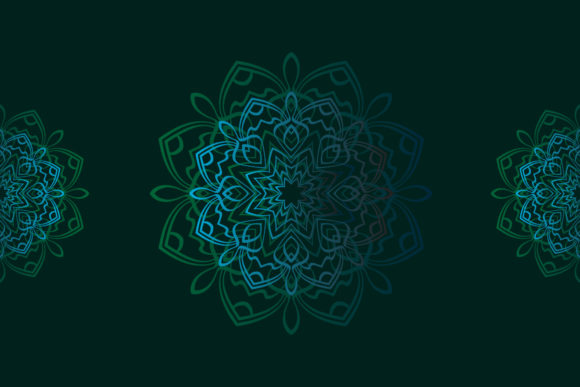
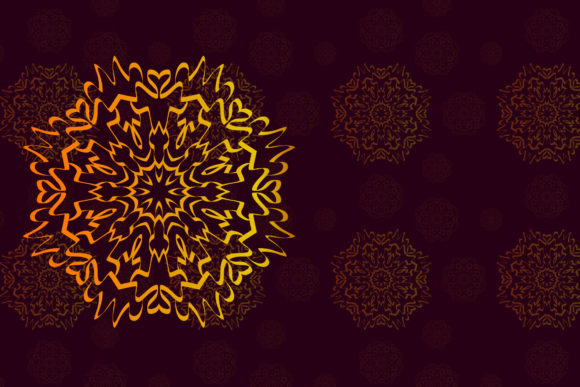
At its core, Mandala Arabic Decorative Background Art is defined by its dual nature. It combines the spiritual and meditative geometry of the mandala with the rhythmic flow of Arabic typography. Unlike standard patterns that repeat endlessly without focal points, these designs often feature a central axis or a symmetrical distribution of intricate lines that guide the viewer's eye inward. The result is a background that feels both structured and organic.
What distinguishes high-quality versions of this art form is the consistency of line weight and the harmony between the text and the geometric framework. In many commercial assets, the integration of script and shape can feel forced, leading to visual clutter. However, well-executed pieces treat the Arabic letters as structural components rather than mere overlays. The strokes of the calligraphy often extend into the geometric rays of the mandala, creating a unified composition where the negative space is just as important as the ink itself.
For the modern creator, understanding this balance is crucial. When used as a background, the design must recede enough to allow foreground content to remain legible while still providing sufficient texture to avoid a flat, sterile appearance. The best examples achieve this through careful modulation of opacity and contrast, ensuring the pattern supports the message rather than competing with it.
Technical Specifications and File Flexibility
In the realm of digital asset management, the format of a file is often more critical than the image itself. A comprehensive package for Mandala Arabic Decorative Background Art should offer a range of formats to accommodate diverse workflows. The inclusion of vector files (AI, EPS, SVG, DXF) alongside raster options (JPG, PNG) addresses the primary needs of both screen-based and production environments.
- Vector Formats (AI, EPS, SVG): These are essential for scalability. Whether you are designing a massive billboard or a mobile app icon, vector graphics ensure that the intricate details of the mandala and the sharpness of the Arabic script remain crisp regardless of resolution. The SVG format is particularly valuable for web developers, allowing for CSS manipulation and responsive design adjustments without losing quality.
- Production Files (DXF): For entrepreneurs and makers involved in physical manufacturing, the DXF format bridges the gap between digital design and fabrication. It enables precise cutting via laser cutters or CNC routers, making it possible to create physical signage, wall art, or packaging using the same design source.
- Raster Formats (JPG, PNG): While less flexible for resizing, high-resolution JPGs and PNGs are indispensable for quick mockups, social media posts, and direct upload to content management systems. The 1920px x 1280px canvas size mentioned in typical offerings provides a solid baseline for desktop displays and standard presentation slides.
The availability of six distinct files per design significantly reduces the friction in a creative workflow. Instead of searching for compatible formats or converting files manually—which can introduce artifacts or lose data—designers can select the optimal tool for the immediate task. This efficiency is a key indicator of a resource's long-term value.
Practical Applications Across Industries
The utility of Mandala Arabic Decorative Background Art extends far beyond traditional artistic contexts. Its adaptability makes it suitable for a wide array of professional scenarios.
Branding and Corporate Identity: For businesses operating in regions with significant Arabic-speaking populations or those aiming to evoke a sense of heritage, elegance, and sophistication, these backgrounds offer a powerful branding tool. They can be used on business cards, letterheads, and corporate websites to establish a distinct visual identity that stands out in crowded marketplaces.
Digital Marketing and Content Creation: Bloggers, publishers, and marketers often struggle with creating engaging headers and featured images. A subtle mandala pattern can provide the necessary visual interest without overwhelming the text. Because these designs are scalable, they can be adapted for email newsletters, landing pages, and social media graphics with consistent branding.
Educational and Cultural Materials: Educators and publishers developing materials related to Islamic art, history, or culture benefit from accurate and respectful representations. High-quality vector assets ensure that educational posters and textbooks maintain professional standards when printed.
Event Planning and Hospitality: Wedding invitations, conference backdrops, and hotel lobbies frequently utilize these motifs to create an atmosphere of warmth and welcome. The radial symmetry of the mandala naturally draws attention to the center, making it ideal for placing event details or logos.
Evaluating Quality, Usability, and Limitations
While the potential of Mandala Arabic Decorative Background Art is high, users must exercise discernment when selecting assets. Not all patterns are created equal. In a professional context, the following factors determine whether a design is a useful asset or a liability.
Complexity vs. Functionality: A common pitfall is choosing a design that is too dense. If the pattern is too busy, it can cause visual fatigue and reduce readability. The most effective backgrounds strike a balance, offering texture without obscuring content. Users should test the design at full opacity and then at reduced opacity to ensure it functions effectively in their specific layout.
Color Neutrality: Versatility is enhanced when the artwork is provided in black and white or neutral tones. This allows designers to apply their own color palettes to match brand guidelines. A monochromatic base ensures that the intricate details of the Arabic script and mandala geometry are preserved, ready to be tinted or colored as needed.
File Integrity: One of the primary concerns with digital downloads is the integrity of the vectors. Upon opening AI or EPS files, designers should verify that all paths are closed, fonts are outlined (if necessary), and layers are organized. A well-structured file saves hours of cleanup time, whereas a messy file can negate the benefits of the initial purchase.
Potential Limitations: It is important to acknowledge that these designs may not suit every project. Minimalist brands that prioritize stark simplicity might find the ornate nature of mandalas incompatible with their aesthetic. Additionally, cultural sensitivity is paramount. Using religious or culturally significant symbols requires a level of respect and understanding to avoid appropriation or misrepresentation. Professionals should always consider the context and audience before deploying these assets.
Strategic Integration into Professional Workflows
To maximize the return on investment for a set of Mandala Arabic Decorative Background Art, integration into existing workflows is key. For freelancers and agencies, having a library of high-quality, editable vectors allows for rapid prototyping. Instead of starting from scratch for every client proposal, a designer can quickly adapt a pre-made mandala structure, tweak the colors, and deliver a polished concept.
The ability to edit these files is a significant strength. In the AI or SVG formats, individual elements can be isolated, resized, or removed. This flexibility means that a single background can be transformed into a border, a watermark, or a standalone illustration depending on the project requirements. This modularity increases the utility of the asset, effectively multiplying its value over time.
Furthermore, the consistency provided by a cohesive set of files helps maintain brand coherence across different media. Whether the final output is a digital banner or a physical sign cut from wood or metal, the underlying design remains consistent, reinforcing the brand message.
Final Thoughts on Value and Suitability
Mandala Arabic Decorative Background Art offers a compelling blend of cultural richness and technical utility. For professionals who require high-quality, versatile, and scalable design elements, these assets represent a sound investment. The combination of multiple file formats ensures compatibility with a wide range of software and production methods, from web development to laser cutting.
However, success depends on thoughtful application. Designers must evaluate each project's specific needs, considering factors like readability, brand alignment, and cultural context. When used appropriately, these backgrounds do more than decorate; they communicate values of order, beauty, and tradition. By selecting assets that prioritize structural integrity and editability, creators can leverage the full potential of this art form to produce work that is both visually stunning and functionally robust.
Ultimately, the decision to incorporate these designs comes down to the specific goals of the project. If the aim is to create a sophisticated, textured backdrop that respects the intricacies of Arabic calligraphy and geometric art, then a well-curated collection of Mandala Arabic Decorative Background Art is an excellent resource. It empowers designers to move beyond generic templates and craft unique, meaningful visual experiences.