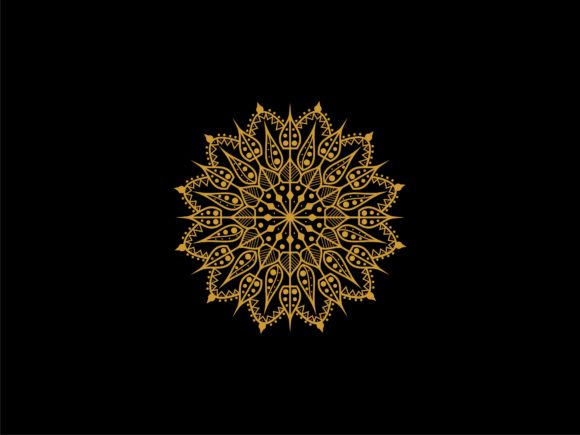
Mandala Ethnic Decorative Element Logo
In the realm of visual communication, few assets bridge the gap between cultural heritage and modern design as effectively as a Mandala Ethnic Decorative Element Logo. This specific graphic asset is not merely an image; it is a versatile component designed to elevate branding, editorial layouts, and digital interfaces with a sense of depth, history, and intricate beauty. For professionals ranging from freelance marketers to small business owners, understanding how to integrate this vector-based asset into a workflow is essential for creating high-quality, consistent outputs.
The core value of this resource lies in its technical specifications and adaptability. Packaged in a comprehensive zip file containing EPS, PNG, and SVG formats, the asset ensures compatibility across diverse software ecosystems. Whether you are working in Adobe Illustrator for print production or using web development tools for a responsive website, having access to multiple file types eliminates friction in the creative process. The inclusion of a transparent background is particularly critical for designers who need to layer the logo over various textures, gradients, or photographic elements without dealing with unsightly white boxes or masking errors.
Strategic Integration in Design Workflows
Integrating a Mandala Ethnic Decorative Element Logo into a project requires more than just dragging and dropping an image onto a canvas. It demands a strategic approach to ensure the element enhances rather than overwhelms the primary message. The process begins with preparation. Before opening your design software, consider the context of the final output. Is this for a luxury spa brochure, a yoga studio's social media campaign, or a vintage-style event invitation?
The versatility of the mandala design allows it to function in three distinct phases of a creative project:
- Pre-Production Planning: Use the high-resolution 300 DPI PNG version to create mood boards and style guides. At this stage, the goal is to establish the visual tone. The intricate lines of the ornamental pattern can serve as a reference for typography choices and color palettes that complement the ethnic aesthetic.
- During Execution: Once the project moves to the drafting phase, the SVG and EPS files become indispensable. These vector formats allow you to scale the graphic symbol to any size without losing quality. You can manipulate the individual paths to adjust colors, ensuring the floral elements match your brand guidelines perfectly. This flexibility is crucial for maintaining consistency across different media, from a tiny mobile app icon to a large-scale banner.
- Post-Production & Delivery: The final export should be optimized for the specific platform. For print materials like business cards or packaging, the 300 DPI resolution ensures sharp edges and crisp details. For web use, the SVG format provides scalability and smaller file sizes, improving load times while retaining the abstract art quality.
Compatibility and Technical Considerations
One of the most common challenges in professional workflows is file compatibility. A Mandala Ethnic Decorative Element Logo often features complex geometric structures and fine lines. When importing these assets, it is vital to understand how different software handles vector data. In raster-based programs like Photoshop, opening the SVG or EPS file will prompt a dialog box asking for resolution settings. Always select a resolution appropriate for the output medium; for screen work, 72 PPI is standard, but for print, the 300 DPI requirement must be met to avoid pixelation.
The transparency feature of the PNG version simplifies the workflow significantly. Without a transparent background, designers would waste valuable time manually tracing around the round shape or using clipping masks. With the background already removed, the decoration can be placed directly onto any background color or texture. This is particularly useful when creating templates for clients who may need to customize the design later. By providing a clean, isolated element, you ensure that the final product looks professional regardless of the user's skill level.
Cross-Industry Applications and Use Cases
The utility of this asset extends far beyond simple graphic design. Its rich symbolism makes it a powerful tool for businesses in wellness, fashion, and lifestyle sectors. For educators and bloggers, the meditation and yoga associations inherent in mandala designs can instantly communicate a brand's focus on mindfulness and balance.
Consider the workflow of a small business owner launching a new line of organic skincare products. They might use the ethnic pattern as a watermark on their product photography or as a border element on their website's header. The vintage and retro styles available within the collection can evoke a sense of tradition and authenticity, which resonates strongly with consumers looking for artisanal or handcrafted goods. Similarly, for tattoo artists, the tattoo classification of the design indicates its suitability for stencil creation. The line work is detailed enough to capture the nuance of skin art while remaining scalable for different body placements.
In the corporate sector, the logo aspect of this asset is equally potent. While a full mandala might be too complex for a primary corporate identity, it serves excellently as a secondary mark or a decorative frame for certificates, awards, and official documents. The luxury feel of the ornate detailing adds a touch of prestige without requiring expensive custom illustration services. This efficiency allows entrepreneurs to allocate resources elsewhere while still delivering a polished, high-end appearance.
Optimizing for Consistency and Quality Control
Maintaining brand consistency is a perennial challenge for marketers and content creators. Using a standardized Mandala Ethnic Decorative Element Logo helps solve this by providing a fixed visual anchor. Instead of sourcing different clipart for every campaign, teams can rely on this single asset to maintain a cohesive look across all touchpoints. The geometric nature of the design ensures that it aligns well with grid systems, making layout management straightforward.
Quality control also plays a significant role in the selection of this asset. The print readiness of the 300 DPI files means that there is no guesswork regarding clarity. When reviewing proofs, designers can zoom in to check the integrity of the asian and arabic stylistic influences, ensuring that the curves and intersections remain smooth. If the design is intended for embroidery or laser cutting, the vector paths provide the necessary precision for the manufacturing equipment to follow.
Maximizing Value Through Customization
The true power of the Mandala Ethnic Decorative Element Logo is unlocked when it is customized to fit specific needs. Because the source files are vectors, they are infinitely editable. Designers can alter the stroke weight, change the color palette to match seasonal trends, or even break apart the pattern to create repeating backgrounds. This adaptability transforms a static image into a dynamic design system.
For example, a wedding planner might take the flower elements of the mandala and rearrange them to create a unique monogram for a couple's stationery suite. A fitness instructor could recolor the circle motif to represent energy and movement, using it as a backdrop for workout schedules or class schedules. The isolated nature of the original asset makes these modifications seamless, as there are no hidden layers or locked objects to interfere with the editing process.
Furthermore, the symbol nature of the mandala allows it to transcend language barriers. In a globalized market, visual symbols often communicate more effectively than text. The oriental and Turkish influences in the design add a layer of exoticism that can appeal to international audiences, making it a smart choice for brands with a global reach. By integrating this element thoughtfully, businesses can create a visual identity that feels both rooted in tradition and relevant to contemporary aesthetics.
Organizing Assets for Long-Term Efficiency
To fully leverage the benefits of this resource, organization is key. Professionals should create a dedicated library folder for vector assets, categorizing them by style (e.g., tribal, floral, geometric) or industry (e.g., spa, card, framing). Naming conventions should be clear, indicating the file type and resolution. This systematic approach saves time during the search phase of any project. When a deadline looms, having immediate access to a pre-vetted Mandala Ethnic Decorative Element Logo ensures that the team can pivot quickly without compromising on quality.
In conclusion, the integration of a Mandala Ethnic Decorative Element Logo into your workflow represents a strategic investment in visual quality and efficiency. By understanding the technical capabilities of the EPS, PNG, and SVG files, and applying them thoughtfully across various stages of production, creators can produce work that stands out. Whether used for decorative framing, branding accents, or artistic inspiration, this asset offers a robust foundation for building compelling visual narratives that resonate with audiences worldwide.