The Art and Utility of Decorative Floral Indonesia Batik Design in Modern Contexts
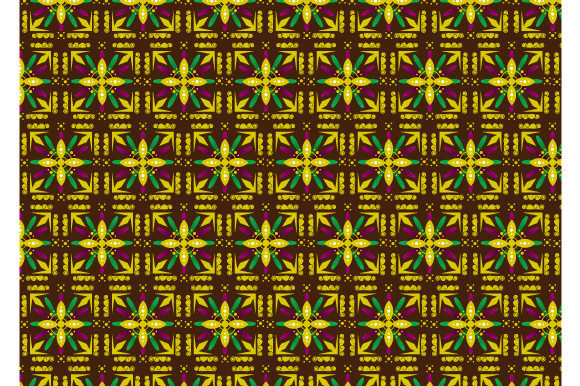
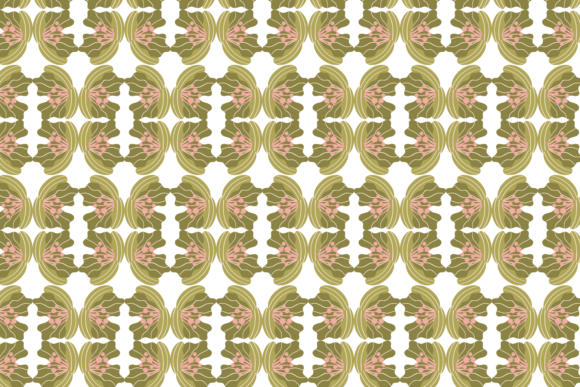
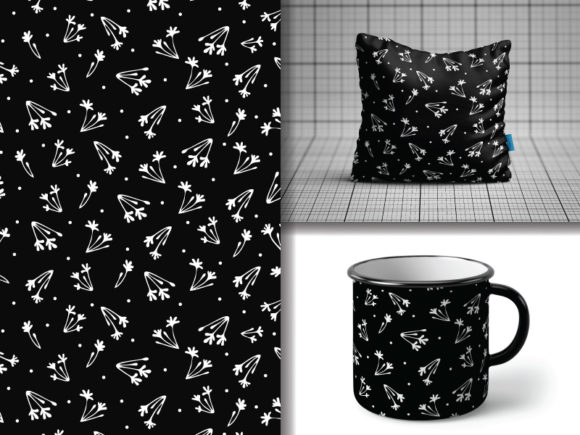
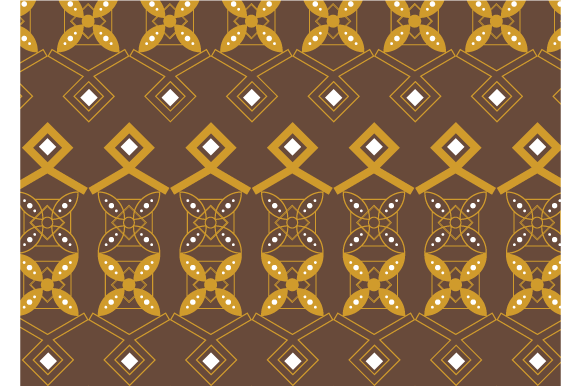
The intricate world of Decorative Floral Indonesia Batik Design represents a profound intersection between ancient heritage and contemporary application. While often viewed through the lens of cultural history, these patterns serve as a versatile resource for a vast array of professionals and enthusiasts today. From high-end retail environments to industrial manufacturing processes, the unique characteristics of Indonesian floral motifs offer solutions that blend aesthetic beauty with functional utility.
Understanding the depth of these designs requires looking beyond the visual surface. The interplay of wax resist dyeing techniques creates textures and color gradients that digital printing often struggles to replicate authentically. However, when digitized into formats like AI, EPS, JPG, and PNG, these traditional patterns become powerful assets for modern workflows. This article explores how these specific design elements are reshaping industries, empowering creators, and enhancing consumer experiences globally.
Architectural Applications in Interior and Exterior Spaces
In the realm of architecture and interior design, the demand for unique backdrops has never been higher. Architects and interior designers frequently seek materials that tell a story without overwhelming the space. Decorative floral Indonesia batik patterns provide an organic complexity that fits seamlessly into both minimalist and maximalist aesthetics.
When utilized as a backdrop for commercial spaces, such as boutique hotels or high-end restaurants, these designs create an immersive atmosphere. The floral motifs, which often symbolize nature, growth, and harmony in Javanese culture, can subtly influence the mood of a room. Unlike generic floral prints, authentic batik-inspired designs feature irregular lines and nuanced color transitions that mimic the handcrafted process.
- Wall Coverings: Large-scale prints derived from vector files (AI/EPS) allow for seamless tiling on walls, creating a continuous narrative across large surfaces.
- Floor Tiles: The durability required for flooring is met by converting high-resolution raster images (JPG/PNG) into durable ceramic or vinyl finishes.
- Partition Screens: Semi-transparent fabrics printed with these designs can act as room dividers, offering privacy while maintaining light flow.
The versatility of these files ensures that whether a project requires a matte finish for a conference room or a glossy sheen for a lobby feature, the source material remains adaptable. Professionals in this sector appreciate the ability to scale these patterns without losing the integrity of the fine details that define the batik style.
Retail Strategy and Brand Identity Enhancement
For business owners and retail strategists, the choice of visual branding is critical. In a saturated market, standing out requires a connection to authenticity and craftsmanship. Integrating Decorative Floral Indonesia Batik Design into retail packaging, window displays, and in-store graphics offers a distinct competitive advantage.
Brands aiming to convey luxury, sustainability, or global sophistication often turn to these patterns. The "floral" aspect appeals to a broad demographic, evoking feelings of freshness and elegance. When applied to retail environments, these designs can guide customer flow and highlight specific product zones. For instance, a clothing retailer might use a dense floral batik pattern on a focal wall to draw attention to a new collection, while using a sparser version for background accents.
The availability of multiple file formats facilitates a cohesive brand experience across different mediums:
- Vector Files (AI, EPS): Essential for creating large-format signage, banners, and custom store fixtures where scaling is necessary without pixelation.
- Raster Files (JPG, PNG): Ideal for digital marketing campaigns, social media content, and e-commerce website backgrounds where screen resolution is fixed.
Furthermore, the cultural resonance of Indonesian batik adds a layer of perceived value to products. Consumers are increasingly educated about the origins of their goods; associating a brand with the rich heritage of Indonesian artistry can enhance brand loyalty and justify premium pricing strategies.
Industrial Manufacturing and Textile Production
The textile industry relies heavily on the precision and adaptability of design files. Manufacturers producing home textiles, fashion garments, and upholstery require patterns that can be reproduced consistently across thousands of meters of fabric. Here, the technical specifications of Decorative floral Indonesian batik patterns play a pivotal role.
The transition from traditional wax-resist methods to digital printing has opened new avenues for production. Digital printers can interpret the complex color palettes found in batik designs, ranging from deep indigos to vibrant turmeric yellows. However, the success of this translation depends on the quality of the source file. High-quality vector files ensure that the intricate "canting" lines—the fine strokes made by the pen-like tool used in traditional batik—remain crisp even at full production scale.
Considerations for industrial implementation include:
- Color Management: Ensuring that the RGB values of digital files translate accurately to CMYK or Pantone systems used in textile dyeing.
- Repeat Patterns: Creating seamless repeats that eliminate visible seams in mass-produced fabrics.
- Material Compatibility: Adjusting the print density for different substrates, from silk to cotton blends and synthetic fibers.
By utilizing standardized formats like EPS and AI, manufacturers can streamline their workflow, reducing setup time and minimizing errors. This efficiency allows for faster turnaround times, a crucial factor in the fast-paced fashion and home decor sectors.
Empowering Creators and Digital Artists
Digital artists, graphic designers, and hobbyists find immense value in the accessibility of these design resources. The creative process often begins with inspiration, and the organic nature of floral batik provides a rich starting point for new works. Whether creating a logo, designing a book cover, or developing a mobile app interface, these patterns add a human touch to digital compositions.
The Decorative Floral Indonesia Batik Design library serves as a foundational asset for various creative projects. For example, a graphic designer working on a travel brochure for Southeast Asia can integrate these patterns to immediately establish context and tone. Similarly, illustrators can deconstruct the floral motifs to create entirely new compositions, blending traditional elements with modern geometric shapes.
The inclusion of PNG files with transparent backgrounds is particularly beneficial for compositing work. It allows creators to layer batik elements over photographs or other digital assets effortlessly. Meanwhile, the AI and EPS formats empower users to manipulate individual elements, change colors, and adjust line weights to suit specific project requirements. This flexibility fosters innovation, allowing the traditional aesthetic to evolve within the digital landscape.
Educational and Research Perspectives
For educators and researchers, these designs offer more than just visual appeal; they represent a tangible link to cultural history and mathematical precision. The study of batik involves understanding symmetry, geometry, and the chemistry of dyes. The floral variations specifically demonstrate the balance between natural forms and structured repetition.
In academic settings, high-resolution scans and vector recreations of these patterns serve as excellent teaching tools. Students of art history can analyze the evolution of motifs over centuries, observing how specific flowers were stylized to fit the constraints of the cloth. Engineering students can study the algorithms required to convert hand-drawn patterns into seamless digital repeats.
Research into the economic impact of batik on local communities in Indonesia also benefits from access to these digital assets. By analyzing the distribution and adaptation of these designs in global markets, researchers can better understand cultural exchange and the globalization of craft traditions. The diversity of file formats supports this research by allowing for detailed examination of image data, metadata, and color profiles.
Key Characteristics and Technical Advantages
What sets these designs apart from generic floral prints? The answer lies in the inherent imperfections and nuances of the batik technique. Even in digital reproductions, the best files capture the "crackle" effect and the subtle bleeding of dye that occurs during the traditional process. These characteristics add depth and texture that flat, computer-generated vector art often lacks.
The four primary file formats available for these designs cater to different stages of the workflow:
- AI (Adobe Illustrator): Offers maximum editability for professional designers who need to modify paths and layers.
- EPS (Encapsulated PostScript): Provides a universal standard for exchanging vector graphics between different software applications, ensuring compatibility across various operating systems.
- JPG (JPEG): Delivers a compressed, universally compatible format suitable for quick previews and web usage where file size is a concern.
- PNG (Portable Network Graphics): Preserves lossless quality and supports transparency, making it essential for overlaying designs on varied backgrounds.
This comprehensive suite of formats ensures that the Decorative floral Indonesian batik patterns can be utilized effectively regardless of the user's technical expertise or the specific demands of the project.
Future Trends and Sustainability
As the global conversation shifts towards sustainable practices, the relevance of traditional designs like batik continues to grow. There is a growing preference for products that honor artisanal methods, even if produced digitally. Using these designs in eco-friendly packaging or promoting them as part of a "slow fashion" initiative aligns with current consumer values.
The trend of "digital heritage" suggests that we will see an increasing number of collaborations between tech companies and cultural institutions. These partnerships aim to preserve indigenous knowledge while making it accessible to a global audience. The availability of high-quality digital files is a cornerstone of this movement, ensuring that the beauty of Indonesian floral batik is not lost to time but rather adapted for future generations.
Moreover, the integration of these patterns into augmented reality (AR) and virtual reality (VR) experiences presents exciting possibilities. Imagine a virtual museum where visitors can zoom in on the intricate details of a batik garment, or a virtual fitting room where users can try on clothes featuring dynamic, animated floral motifs. The potential for these designs to transcend physical boundaries is limitless.
Implementation Considerations for Diverse Users
Whether you are a small business owner looking to revamp your storefront or a large corporation seeking to diversify its product line, implementing these designs requires thoughtful planning. It is important to consider the context in which the patterns will appear. A bold, high-contrast floral batik design might be perfect for a retail display but could overwhelm a corporate document header.
Respecting the cultural significance of the motifs is also paramount. While these designs are widely available, understanding their origins and meaning can prevent misappropriation and foster genuine appreciation. Educating staff and customers about the story behind the Decorative Floral Indonesia Batik Design can transform a simple visual element into a meaningful brand asset.
Finally, technical preparation is key. Before finalizing any project, always test the chosen file format on the intended output device. Check color accuracy, resolution, and scalability. By adhering to these best practices, professionals can ensure that the final result honors the craftsmanship of the original design while meeting modern standards of quality and performance.
The convergence of tradition and technology in Decorative floral Indonesian batik patterns offers a unique opportunity for innovation. As we continue to explore new applications in retail, industry, education, and art, these designs stand as a testament to the enduring power of cultural expression. Their adaptability ensures that they will remain a vital part of the global design lexicon for years to come.