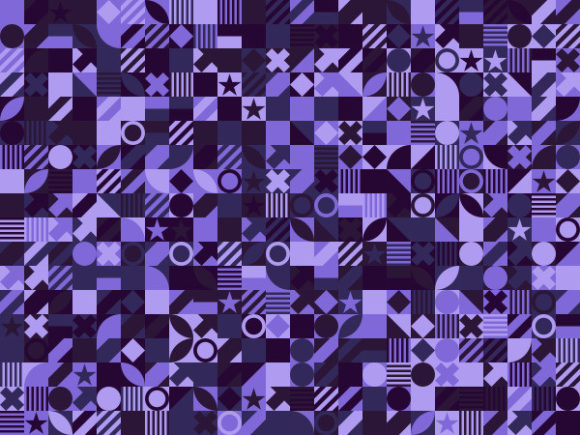
Decorative Creative Pattern: A Versatile Asset for Modern Design
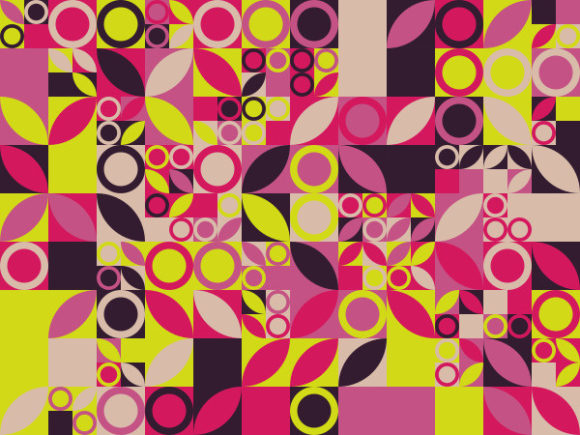
In the rapidly evolving landscape of digital and print media, the search for visual elements that balance aesthetic appeal with functional versatility is constant. Decorative Creative Pattern has emerged as a pivotal resource for designers, entrepreneurs, and creators who seek to elevate their projects without compromising on quality or scalability. These digital papers are not merely background textures; they are sophisticated compositions that weave together the rich history of art deco, the clean lines of modernism, the nostalgic charm of vintage styles, and the bold energy of contemporary graphic design.
The true value of these patterns lies in their adaptability. Whether you are crafting a corporate identity system, designing an elegant wedding invitation, or developing a web interface, the ability to scale graphics without losing detail is paramount. By integrating SVG technology, these designs offer a seamless solution for users who require high-fidelity visuals across any device or medium.
The Essence of Decorative Creative Pattern
At its core, Decorative Creative Pattern represents a fusion of eras. It takes the geometric precision and luxurious motifs associated with the Art Deco movement of the 1920s and blends them with the minimalist functionality of modernism. This combination creates a visual language that feels both timeless and current. Unlike static images that pixelate when enlarged, these patterns are built using Scalable Vector Graphics (SVG), ensuring that every curve, line, and angle remains crisp regardless of the output size.
For the general consumer or the professional designer, this distinction is crucial. In a world where screens range from small mobile devices to massive billboards, consistency in visual quality is often the difference between a polished product and a subpar one. The inclusion of SVG files means that the user retains full control over the design's dimensions, colors, and opacity, allowing for infinite customization.
Key Characteristics and Features
Understanding what makes these digital papers unique helps in utilizing them effectively. The following characteristics define the standard of Decorative Creative Pattern collections:
- Seamless Tiling: The primary function of a pattern is to repeat without visible breaks. These designs are engineered to tile perfectly, creating continuous backgrounds for large-scale applications like packaging or wall coverings.
- Scalability: Thanks to vector-based architecture, the file can be resized from a business card to a building wrap without any loss of resolution. This eliminates the need to purchase multiple versions of the same asset.
- Editability: Being easily editable allows users to modify stroke widths, change color palettes to match brand guidelines, or isolate specific elements within the design. This flexibility turns a static image into a dynamic design tool.
- Multi-Style Aesthetic: The collection deliberately merges distinct styles. You might find the ornate flourishes of vintage design juxtaposed against the stark geometry of modernism, creating a unique tension that captures attention.
Practical Applications Across Industries
The utility of Decorative Creative Pattern extends far beyond simple decoration. Its versatility makes it suitable for a wide array of industries and use cases. Below are several scenarios where these digital assets provide significant value.
Corporate Identity and Branding
Businesses rely heavily on visual consistency to build trust and recognition. When creating a brand identity, companies often struggle to find backgrounds that complement logos without overpowering them. Patterns that blend modernism with subtle vintage touches offer a perfect middle ground. They add depth to business cards, letterheads, and presentation slides while maintaining a professional tone. The ability to edit the color scheme ensures that the pattern aligns perfectly with existing brand guidelines.
Invitations and Stationery
For events ranging from weddings to corporate galas, stationery sets the mood before the event even begins. The Art Deco influence found in these patterns brings an air of elegance and formality, making them ideal for formal invitations. Conversely, the contemporary elements allow for more playful, modern party invites. Because these files are scalable, they work equally well for high-end printed materials and digital e-invites sent via email or social media.
Apparel and Packaging
Fashion and retail sectors benefit immensely from high-resolution, scalable patterns. For apparel designers, printing a pattern onto fabric requires a file that does not lose definition at large scales. Similarly, product packaging needs to look sharp on shelves. The Decorative Creative Pattern suite provides the necessary resolution and design complexity to make products stand out. Whether wrapping a luxury cosmetic box or printing a t-shirt, the vector nature of the files ensures the design remains intact.
Web Design and User Interfaces
In the digital realm, performance and aesthetics must coexist. Large raster images can slow down website loading times, whereas SVG patterns are lightweight and load instantly. Web designers can embed these patterns directly into CSS or HTML, allowing for interactive effects such as hover states or scroll animations. The "contemporary" aspect of the design style fits seamlessly into modern UI trends, adding visual interest to landing pages, blog headers, and section dividers.
Evaluating Suitability for Your Project
While the potential applications are vast, it is important to approach the selection process with a clear understanding of your project's specific needs. Not every pattern will fit every brief. To ensure success, consider the following factors when evaluating Decorative Creative Pattern assets.
- Complexity vs. Readability: Highly detailed patterns can sometimes interfere with text legibility. If the pattern is intended as a background for content-heavy pages or documents, opt for a version with lower contrast or simpler geometry. The goal is to support the message, not distract from it.
- Color Adaptability: Before purchasing or downloading, check if the SVG file allows for easy color manipulation. A pattern that is difficult to recolor may limit its use in branding projects where specific Pantone or hex codes are required.
- Contextual Relevance: Consider the emotional response you want to evoke. Art Deco suggests luxury and history, while modernism implies efficiency and clarity. Ensure the chosen style aligns with the brand personality or the event's theme.
- Technical Requirements: Verify the software compatibility. While most modern design tools (such as Adobe Illustrator, Figma, and Sketch) handle SVGs natively, some older printing workflows might require conversion to other formats. Always test the file in your intended workflow before committing to a large production run.
Navigating Limitations
No design asset is without limitations. One common consideration with vector patterns is that they are best suited for flat design or solid fills. If your project requires complex gradients or photorealistic textures, a purely vector-based pattern might feel too rigid. Additionally, while the files are scalable, extremely intricate details may become indistinguishable when scaled down to very small sizes, such as favicons or tiny icons. In such cases, simplifying the pattern or choosing a variation with fewer elements is advisable.
Furthermore, while the "vintage" aesthetic is popular, it can sometimes clash with hyper-minimalist brands. It is essential to strike a balance. Sometimes, using the pattern as a subtle accent rather than a dominant feature yields better results. The key is to treat the pattern as a partner in the design process, not just a decorative afterthought.
Maximizing Value Through Editability
The phrase "easily editable" is often used loosely in the design industry, but in the context of Decorative Creative Pattern, it holds a specific technical meaning. Because the files are provided as SVGs, the individual paths that make up the design remain separate. This means a designer can delete a specific motif, change the stroke weight of a line, or fill a shape with a gradient without affecting the rest of the composition.
This level of control empowers creators to tailor generic assets into bespoke solutions. For instance, a business owner might take a generic Art Deco pattern and remove the gold accents, replacing them with their company's blue and white palette to create a cohesive marketing campaign. This capability reduces the need for custom illustration services, saving time and budget while still delivering a unique look.
Conclusion
The intersection of historical aesthetics and modern technology has given rise to powerful tools like Decorative Creative Pattern. By combining the elegance of Art Deco, the structure of modernism, and the accessibility of SVG technology, these digital papers offer a robust foundation for creative projects. They serve professionals who demand quality and consumers who appreciate beauty in everyday objects.
Whether you are launching a new startup, planning a special event, or simply looking to refresh your digital presence, these patterns provide a versatile toolkit. Their scalability ensures that your vision remains clear from the smallest screen to the largest billboard, while their editability allows for endless experimentation. As the design world continues to evolve, the ability to adapt and refine visual assets will remain a critical skill, and resources like these patterns are essential stepping stones in that journey.
By focusing on practical application, clarity, and user empowerment, we can see that Decorative Creative Pattern is more than just a download; it is a strategic asset for anyone looking to communicate effectively through design. Embrace the blend of old and new, and let these timeless patterns bring your projects to life.