Decorative Ethnic Background: A Comprehensive Evaluation
In the realm of digital design, selecting the right visual foundation is often the most critical step in a project's success. Decorative Ethnic Background represents a specific category of digital assets that merges traditional cultural motifs with contemporary graphic standards. These files are not merely static images; they are versatile tools designed to provide depth and character to various creative endeavors. When evaluating these resources, it is essential to understand their composition, which typically blends the structured elegance of art deco, the clean lines of modernism, and the nostalgic warmth of vintage aesthetics into a cohesive, scalable format.
Understanding the Core Composition
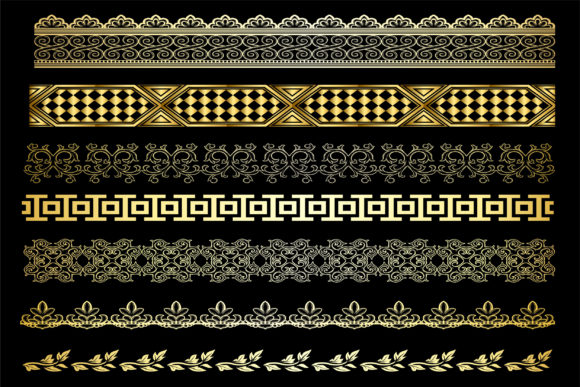
A Decorative Ethnic Background is defined by its ability to bridge the gap between heritage and innovation. Unlike generic patterns that may lack distinct identity, these backgrounds incorporate geometric shapes, tribal elements, or ornamental flourishes inspired by diverse cultures, reinterpreted through a modern lens. The inclusion of SVG (Scalable Vector Graphics) technology is a defining feature of high-quality versions of this asset. This format ensures that the intricate details of the ethnic patterns remain crisp regardless of the output size.
The aesthetic fusion found in these files allows designers to avoid the common pitfalls of "stereotypical" or dated ethnic designs. Instead, the result is a timeless look that respects the source material while adhering to current corporate and web design trends. The combination of art deco symmetry with organic ethnic forms creates a visual rhythm that can guide the viewer's eye without overwhelming the primary content.
Why Designers Evaluate This Asset Class
Professionals researching Decorative Ethnic Background solutions are often driven by the need for differentiation. In a saturated market where flat, minimalist designs dominate, these textured backdrops offer an immediate sense of history and craftsmanship. They serve as a powerful tool for establishing brand personality, particularly for businesses that wish to communicate authenticity, global reach, or artisanal quality.
- Visual Hierarchy: The complex nature of these patterns helps separate content areas naturally, reducing the need for heavy borders or dividers.
- Cultural Resonance: For brands targeting specific demographics or celebrating cultural events, these backgrounds provide an authentic connection point.
- Versatility: The blend of styles means the same asset can work on a luxury invitation card just as effectively as on a modern tech website landing page.
Benefits of Scalable Vector Formats
The technical specification of the file is as important as the artistic style. When the documentation states that the Decorative Ethnic Background is included in an easily editable SVG format, it unlocks significant practical advantages. Unlike raster images (JPEGs or PNGs), which pixelate when enlarged, vector graphics are mathematically defined. This means a designer can scale a pattern from a small mobile screen icon to a massive billboard without any loss of clarity.
Editability is another crucial benefit. Because the elements are vectors, individual components of the background can be isolated, recolored, or reshaped using standard design software. This flexibility allows a user to adapt a single asset to multiple color palettes within a brand identity system, ensuring consistency across different media channels. For projects requiring print production, this scalability ensures that fine lines in the ethnic detailing do not become jagged or blurry during the printing process.
Situations Where This Approach Excels
Determining whether this asset class fits a specific project requires analyzing the intended application. Decorative Ethnic Background files are particularly strong fits for the following scenarios:
- Corporate Identity Systems: Companies wishing to project a sophisticated, established image often use these backgrounds for letterheads, business cards, and presentation decks. The vintage-modern blend suggests reliability and tradition without appearing obsolete.
- Event Stationery: Weddings, galas, and cultural festivals benefit immensely from the textural depth these patterns provide. They add a layer of formality and elegance that plain colors cannot achieve.
- Packaging Design: For consumer goods, especially those in the food, beverage, or artisanal sectors, these backgrounds create a premium shelf presence. They tell a story of origin and quality before the consumer even reads the label.
- Apparel and Textiles: The scalability makes them ideal for fabric printing, allowing the pattern to repeat seamlessly across large rolls of material.
Tradeoffs and Considerations
While the advantages are clear, a balanced evaluation must acknowledge potential limitations. The primary tradeoff lies in visual density. Because these backgrounds are inherently decorative, they contain a high level of detail. If used incorrectly, they can compete with the main subject matter, making text difficult to read or products hard to distinguish.
Another consideration is the interpretation of "ethnic." Designers must ensure that the specific motifs used align with the brand's values and respect the cultural origins of the patterns. Using a sacred or highly specific cultural symbol in a casual commercial context can lead to misinterpretation or offense. Therefore, thorough research into the specific design elements included in the file is a necessary step before selection.
Additionally, while SVG files are lightweight compared to high-resolution bitmaps, complex vector paths with thousands of nodes can sometimes slow down rendering in older web browsers or less powerful devices. It is prudent to test the performance of the final implementation to ensure smooth user experience.
When Alternatives May Be Worth Considering
Not every project requires the complexity of a Decorative Ethnic Background. There are situations where simpler alternatives might yield better results. For instance, if the goal is ultra-minimalist communication where the focus must be entirely on data or typography, a solid color or a very subtle gradient might be more appropriate. Similarly, if the target audience prefers a strictly futuristic or high-tech aesthetic, the vintage elements inherent in ethnic designs could clash with the desired mood.
Furthermore, for projects with extremely tight deadlines or limited design expertise, fully customizable vector files might present a steep learning curve. In such cases, pre-made raster templates that require only simple adjustments might be a more pragmatic choice, despite the lack of infinite scalability.
Practical Decision-Making Insights
To determine if Decorative Ethnic Background assets align with your goals, start by defining the emotional response you want the design to evoke. Do you want to convey heritage, luxury, and complexity? If so, these assets are likely a strong match. If you need to convey speed, simplicity, or neutrality, reconsider.
Next, assess the technical requirements. Will the design be printed at large sizes? Is it being used in responsive web design where scaling is constant? If the answer is yes, the SVG format of these backgrounds becomes a non-negotiable requirement rather than a nice-to-have feature. Finally, review the editability of the source files. Ensure that the provided package allows for the customization needed to integrate the pattern with your existing brand guidelines.
Ultimately, the value of these digital papers lies in their ability to provide a professional, polished foundation that saves time while elevating the perceived quality of the final product. By carefully weighing the aesthetic impact against the functional needs of the project, designers can make informed decisions that leverage the unique strengths of decorative ethnic patterns.