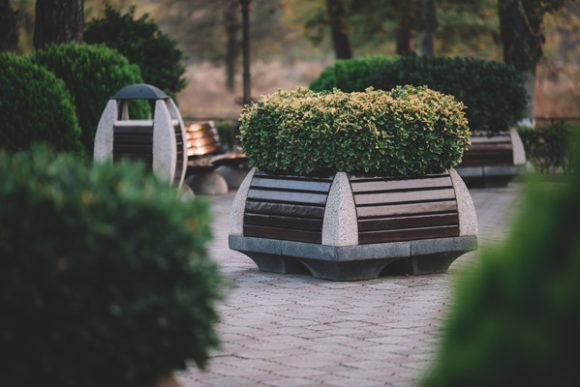
Decorative Plants in the Park: Creating Life and Connection in Public Spaces
When you step into a city park on a crisp autumn morning or a humid summer afternoon, the first thing that often strikes you isn't the layout of the paths or the architecture of the nearby buildings. It is the greenery. The vibrant bursts of color from seasonal blooms, the texture of ornamental grasses swaying in the breeze, and the structural presence of shrubs define the character of these shared spaces. Decorative plants in the park are far more than just aesthetic additions; they are the living infrastructure that transforms a simple patch of land into a destination for relaxation, community gathering, and mental restoration.
Think about the last time you felt overwhelmed by the noise of traffic or the rush of daily responsibilities. Stepping into a well-designed park offers an immediate shift in atmosphere. This transformation is largely driven by the strategic placement of flora. These plants act as natural sound barriers, visual filters, and emotional anchors. They soften the hard edges of concrete benches and metal railings, making public areas feel more inviting and less institutional. Whether it is a sprawling botanical garden or a small neighborhood pocket park, the selection and arrangement of these plants play a pivotal role in how people interact with their environment.
Real-World Scenarios Where Greenery Makes a Difference
The utility of decorative plants extends well beyond mere decoration. In practical terms, they solve specific problems faced by urban planners, landscape architects, and the communities they serve. Consider the scenario of a busy downtown plaza during the midday rush. Without vegetation, this area feels like a concrete canyon, hot and echoing. However, when decorative plants in the park are introduced strategically—perhaps in raised planters lining the walkways or hanging baskets suspended from pergolas—the space instantly becomes cooler and more breathable.
These plants serve as natural air conditioners through evapotranspiration, lowering the ambient temperature slightly while filtering dust and pollutants from the air. For pedestrians walking home from work, this microclimate change can be the difference between a stressful commute and a refreshing pause. Furthermore, the visual complexity provided by diverse foliage reduces "visual fatigue." When our eyes scan a uniform gray wall, we get tired quickly. But when they encounter the varied textures of ferns, the bold lines of hostas, and the delicate flowers of hydrangeas, the brain processes the scene differently, promoting a state of calm.
In residential neighborhoods bordering parks, these plants offer privacy without the need for imposing fences. A row of tall ornamental grasses or dense shrubs can screen a playground from a nearby street, creating a sense of enclosure and safety for children playing. Similarly, in corporate campuses, the integration of decorative greenery can boost employee morale. Workers taking a lunch break to sit among manicured hedges and flowering perennials report lower stress levels compared to those sitting on exposed benches. The plants act as a buffer against the high-pressure demands of the workplace, providing a tangible connection to nature even within a business district.
Diverse Audiences and Their Unique Needs
Different groups of people derive different benefits from the same landscape. Understanding these nuances is key to appreciating the full scope of decorative plants in the park. For families with young children, the sensory experience is paramount. Parks featuring plants with interesting textures, such as fuzzy lamb's ear or spiky sedges, provide tactile learning opportunities. Brightly colored annuals like marigolds or petunias catch the eye of toddlers, turning a simple stroll into a game of "find the flower."
For seniors and individuals with mobility challenges, the design of these plantings must prioritize accessibility and orientation. Low-growing ground covers prevent soil erosion on slopes, reducing slip hazards, while clearly defined borders help guide walkers along safe paths. The scent of aromatic herbs like lavender or rosemary planted near seating areas can also stimulate memory and provide comfort for those dealing with cognitive decline. The gentle rustling of leaves provides auditory stimulation that is soothing without being jarring, offering a multisensory experience that supports overall well-being.
Artists and photographers often seek out parks specifically for their floral displays. The changing seasons offer a dynamic canvas, with spring bulbs giving way to summer perennials and finally to the fiery hues of autumn foliage. These natural backdrops inspire creativity and provide a neutral yet engaging setting for outdoor activities ranging from sketching to yoga classes. The plants become active participants in these creative endeavors, framing the human subject and adding depth to the composition.
Navigating Choices and Practical Considerations
Selecting the right plants for a public park involves a complex balance of beauty, durability, and sustainability. One of the primary considerations is climate resilience. A plant that looks stunning in a sheltered greenhouse may struggle under the harsh sun and wind of an open park. Therefore, native species are often the best choice. Native decorative plants in the park are adapted to local rainfall patterns and soil conditions, requiring less water and fewer chemical treatments over time. This not only reduces maintenance costs but also supports local pollinators like bees and butterflies, which are crucial for ecosystem health.
Maintenance is another critical factor. Public spaces endure heavy foot traffic, which means plants must be tough enough to withstand occasional trampling or accidental damage. Drought-tolerant varieties and those with deep root systems are preferred to ensure longevity. Additionally, allergen management plays a significant role. While colorful flowers are desirable, parks located in areas with high pollen counts might opt for male-only cultivars of trees and shrubs to minimize allergic reactions for visitors. The goal is to create a welcoming environment for everyone, regardless of sensitivities.
Seasonality is a double-edged sword. While it provides variety, it also creates periods where the park might look bare if not planned correctly. Landscape designers often use evergreen structures to provide year-round interest, punctuated by seasonal blooms. This ensures that the park remains visually appealing even in the dead of winter. However, there are limitations. In highly polluted urban centers, some sensitive species may struggle to thrive, requiring specialized care or replacement. The cost of replacing failed plantings can be high, so investing in robust, adaptable species is always the prudent path.
The Intersection of Nature and Urban Design
As cities continue to grow denser, the role of decorative plants in the park becomes increasingly vital. They are no longer optional extras but essential components of urban planning. They contribute to stormwater management by absorbing rain runoff, reduce the urban heat island effect, and improve air quality. The psychological impact is equally profound. Studies have consistently shown that access to green spaces improves mental health, reduces anxiety, and fosters a sense of community belonging.
When we view these plants through the lens of utility rather than just ornamentation, their value skyrockets. They are tools for social cohesion, bringing neighbors together in shared appreciation of beauty. They are instruments of healing, offering respite from the relentless pace of modern life. And they are guardians of the environment, protecting our cities from the impacts of climate change. By understanding and respecting the needs of these living elements, we can create parks that are not only beautiful to look at but also functional and enduring assets to our communities.
Whether you are a parent watching your child chase butterflies, a runner taking a breather on a shaded bench, or a retiree enjoying the quiet hum of nature, the plants around you are working silently to enhance your experience. They remind us that even in the heart of the city, nature persists and thrives. Embracing the potential of decorative flora allows us to transform ordinary public spaces into extraordinary sanctuaries, proving that the smallest seed can grow into the most impactful solution for urban living.