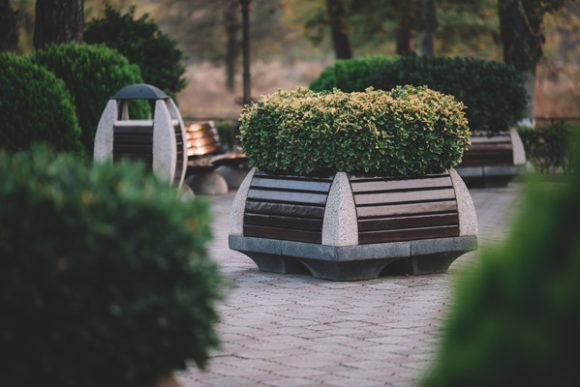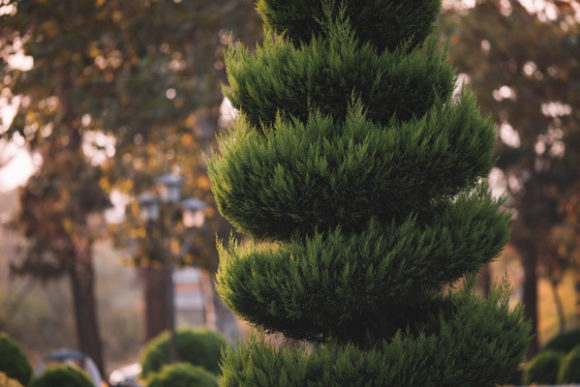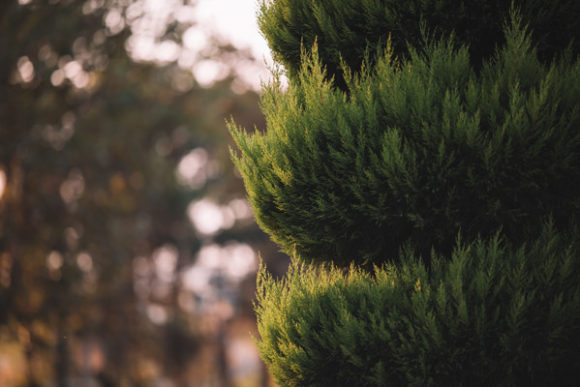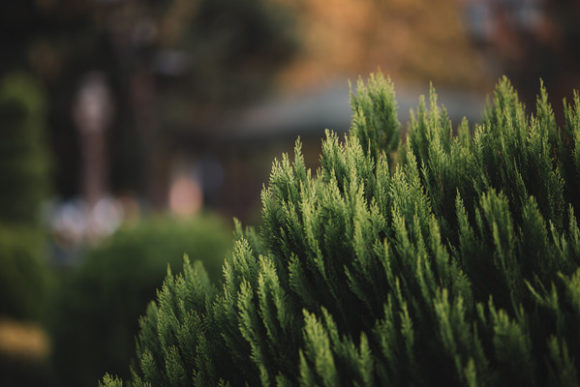
Decorative Tree in the Park Closeup: A Natural Accent for Urban Spaces
When you think of a park, your mind might drift to green lawns, leisurely strolls, and the gentle rustle of leaves. But what if one particular element stood out from the rest? The Decorative Tree in the Park Closeup is not just any tree—it’s a visual centerpiece that adds character, charm, and natural beauty to urban landscapes. Whether you're a city planner, a landscape designer, or simply an admirer of nature, this article explores how such trees enhance environments and why they matter.
The Role of Decorative Trees in Public Parks
Public parks are more than recreational spaces—they serve as vital community hubs that promote well-being and environmental awareness. In this context, the Decorative Tree in the Park Closeup plays a unique role. These trees are often chosen for their aesthetic appeal, making them stand out in otherwise uniform surroundings.
- Visual Interest: Unlike ordinary trees, decorative trees are selected for their distinct shapes, colors, and textures.
- Seasonal Appeal: Many decorative trees offer seasonal changes, like vibrant autumn foliage or striking winter bark.
- Photogenic Value: Their unique appearance makes them popular spots for photography, social media posts, and local events.
Types of Decorative Trees Commonly Found in Parks
The choice of a decorative tree depends on the environment, climate, and desired effect. Some common types include:
- Japanese Maple (Acer palmatum): Known for its delicate, colorful leaves, it's a favorite for ornamental purposes.
- Redbud (Cercis canadensis): Offers pink flowers in spring and heart-shaped leaves, adding both color and texture.
- Katsura Tree (Cercidiphyllum japonicum): Famous for its fragrant leaves and attractive fall color.
- Cherry Blossom (Prunus spp.): Provides a spectacular floral display, especially in spring.
Where Can a Decorative Tree in the Park Closeup Be Used?
The Decorative Tree in the Park Closeup isn’t limited to public parks alone. Its applications extend across various settings where visual appeal and natural aesthetics are valued.
Public Parks: These are the most obvious places where such trees thrive. They act as focal points and provide shade, shelter, and beauty.
Urban Landscapes: Cities use decorative trees to soften the concrete jungle, improve air quality, and create inviting spaces.
Private Gardens: Homeowners looking to elevate their outdoor spaces often incorporate these trees into their garden designs.
Event Venues: Wedding venues, festivals, and other events may feature decorative trees to enhance the ambiance and provide a natural backdrop.
Who Benefits from a Decorative Tree in the Park Closeup?
The benefits of having a Decorative Tree in the Park Closeup span across different groups:
- City Planners: Use these trees to design visually appealing and sustainable urban environments.
- Landscape Architects: Incorporate them into projects to add depth, texture, and natural beauty.
- Local Businesses: Retailers and cafes near parks may benefit from increased foot traffic due to the tree’s attractiveness.
- Residents: Enjoy the calming presence and beauty of these trees in their daily lives.
Strengths and Considerations of Decorative Trees
While decorative trees bring numerous advantages, it’s important to understand their strengths and limitations to ensure they’re suitable for specific environments.
Strengths:
- Enhanced Aesthetics: They contribute to the visual richness of any space.
- Environmental Benefits: Like all trees, they help reduce pollution, provide oxygen, and support biodiversity.
- Increased Property Value: Well-maintained decorative trees can raise the value of nearby properties.
Considerations:
- Maintenance Needs: Some decorative trees require regular pruning, watering, and care.
- Space Requirements: They may need ample room to grow, which could be a challenge in densely populated areas.
- Climate Suitability: Not all decorative trees thrive in every climate, so selection should be based on local conditions.
Real-World Applications and Scenarios
Let’s take a look at some real-world examples of how the Decorative Tree in the Park Closeup has been used effectively:
Scenario 1: City Park Renovation
A city decided to revamp an old, neglected park by introducing several decorative trees, including cherry blossoms and Japanese maples. The result was a revitalized space that became a popular gathering spot for residents and tourists alike.
Scenario 2: Commercial Area Enhancement
A shopping mall added a cluster of decorative trees near its entrance to create a welcoming atmosphere. This small addition significantly improved customer satisfaction and increased foot traffic during peak seasons.
Scenario 3: Residential Neighborhood Improvement
Homeowners in a quiet neighborhood collaborated to plant decorative trees along their streets. The initiative not only beautified the area but also fostered a stronger sense of community.
Evaluating the Right Decorative Tree for Your Project
Selecting the ideal Decorative Tree in the Park Closeup involves considering several factors:
- Purpose: What do you want the tree to achieve? Is it for visual appeal, shade, or wildlife support?
- Location: Assess the available space, soil type, and sunlight exposure to determine which species will thrive.
- Budget: Some trees may require more maintenance or have higher initial costs.
- Long-Term Vision: Think about how the tree will look and function over time—especially during different seasons.
If you're unsure which tree to choose, consulting with a local horticulturist or landscape professional can provide valuable insights tailored to your specific needs.
Conclusion: Embracing the Beauty of Decorative Trees
The Decorative Tree in the Park Closeup is more than just a pretty addition to any space—it's a symbol of nature’s ability to enhance our lives. Whether in a bustling city park or a quiet residential neighborhood, these trees offer a blend of beauty, utility, and environmental benefits. By understanding their purpose, features, and proper placement, we can appreciate and make the most of their presence in our communities.
As you explore your next project or simply enjoy a walk through your local park, take a moment to notice the Decorative Tree in the Park Closeup. It may just be the perfect touch that transforms an ordinary space into something truly special.