Flower Decorative Black Outline: A Practical Guide to Getting It Right
You are looking for Flower Decorative Black Outline files because you need clean, versatile graphics that work seamlessly across different projects. Whether you are a small business owner preparing marketing materials, a blogger updating a website, or a hobbyist creating custom gifts, the difference between a pixelated mess and a crisp, professional design often comes down to file format and resolution. Many creators rush into downloading vector assets without checking the specifications, only to find their designs look blurry when printed or impossible to edit in their preferred software.
This guide focuses on what you actually receive when you choose a high-quality set of these outlines. We will walk through the specific formats included, explain why canvas size matters, and help you avoid common pitfalls that can ruin your workflow. The goal is to ensure your project looks exactly as you intended, from the first click to the final print.
Understanding the Core Asset
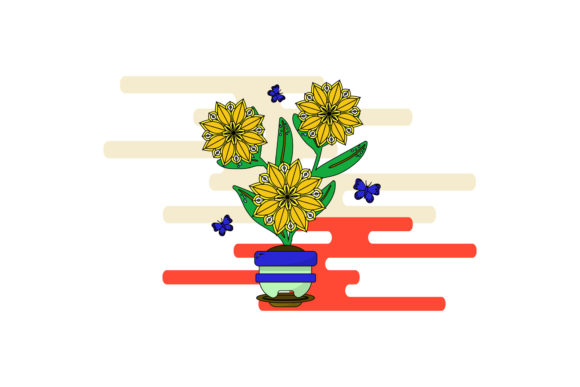
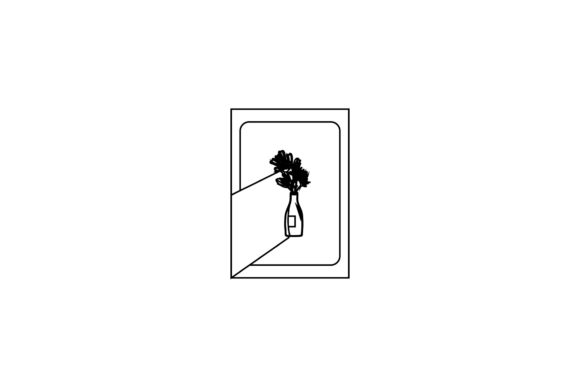
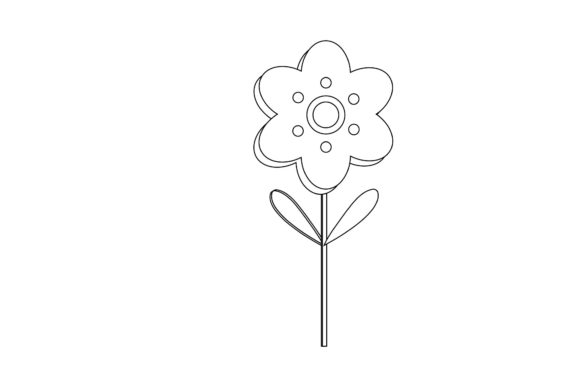
Flower Decorative Black Outline refers to vector-based line art that captures the elegance of floral motifs using solid black strokes. Unlike raster images (like standard photographs), these outlines are mathematically defined, meaning they can be scaled up or down infinitely without losing quality. This makes them incredibly popular for vinyl cutting, laser engraving, embroidery digitizing, and web design.
However, not all "outlines" are created equal. Some users mistake low-resolution PNGs for true vectors. If you try to enlarge a low-res image to fit a large banner, it will become jagged and unusable. True vector files allow you to change the stroke width, color, and shape while maintaining perfect sharpness. This flexibility is why professionals insist on specific file types before purchasing or downloading.
The Importance of Canvas Size and Resolution
One of the most overlooked details when evaluating digital downloads is the canvas size. In this specific collection, every design is provided at a 1920px by 1280px canvas size. This dimension is significant because it aligns perfectly with standard HD screen resolutions and many common print ratios.
If you encounter a product that offers a much smaller canvas, you might be tempted to resize it later. While modern software has powerful upscaling tools, starting with a generous canvas size like 1920x1280 ensures that you have enough data to work with. It prevents the need for aggressive interpolation, which can introduce artifacts and blur the delicate lines of the flower outline. By starting with this robust size, you save time and preserve the integrity of the artwork.
What You Actually Get: The Format Breakdown
When you purchase this set, you receive a total of 6 digital files. Each file serves a distinct purpose, and understanding how to use them correctly is crucial for avoiding frustration. Relying on just one format limits your creativity and restricts where you can use the design.
- AI File: This is the native Adobe Illustrator format. It is the gold standard for editing if you use Adobe Creative Cloud. It allows you to ungroup elements, adjust anchor points, and modify colors with precision.
- EPS File: A widely compatible vector format. If you do not have Illustrator, EPS works well with many other vector editors like CorelDRAW or Affinity Designer. It is excellent for sending to professional printing services.
- SVG File: Scalable Vector Graphics are essential for web designers and users of machine cutting software like Cricut or Silhouette Studio. SVGs are lightweight and render perfectly on screens and cutters.
- DXF File: Designed specifically for CAD software and industrial cutting machines. If you are working with CNC routers or laser cutters that require precise coordinate data, this is the file you need.
- JPG File: A rasterized version of the design. Use this for quick previews, social media posts where vectors aren't supported, or when you need a simple image to insert into a document.
- PNG File: Similar to JPG but supports transparency. This is vital if you plan to overlay the flower outline onto a colored background without seeing a white box around the edges.
Making the mistake of ignoring the non-vector files can lead to compatibility issues. For example, trying to upload an AI file directly to a free online logo maker often fails. Conversely, trying to cut a JPG file in a vinyl cutter will result in errors because the machine cannot read the paths. Having the full suite ensures you are never stuck.
Common Mistakes When Using Floral Outlines
Even with the right files, beginners often make decisions that compromise the final result. One frequent error is assuming that all black outlines are ready to cut immediately. In some cases, the lines may be too thin for certain materials, such as thick cardstock or fabric. Before committing to a production run, check the stroke weight. If the lines are too fine, they might tear during weeding or fail to stitch properly.
Another common oversight involves color management. Since these are black outlines, they are often used for monochrome applications. However, if you intend to fill them with gradients or multiple colors in your design software, ensure your vector editor supports global swatches. Failing to link colors globally means changing the shade of one petal won't update the rest of the flower, leading to a patchy, unprofessional look.
There is also the issue of licensing and usage rights. Always verify that the Flower Decorative Black Outline you are using is cleared for commercial use if you plan to sell products featuring the design. Many creators assume that a digital download includes unlimited commercial rights, but this is not always the case. Misunderstanding this can lead to legal trouble or the removal of your listings from marketplaces.
How to Ensure Success with Your Design
To get the best results, adopt a workflow that respects the strengths of each file type. Start by opening the AI or EPS file to organize your layers. Group the petals, stems, and leaves separately. This organization is critical if you ever need to animate the design or apply different effects to specific parts of the flower.
If you are using cutting software, import the SVG or DXF file directly rather than converting it yourself. Self-conversion often introduces unnecessary nodes and points, making the machine path inefficient and increasing the risk of cutting errors. Let the original creator handle the optimization.
For web use, utilize the PNG with transparency to maintain a clean aesthetic against various backgrounds. If you need to scale the image for a hero banner, remember that while the vector versions are infinite, the PNG is limited to its 1920px width. Do not stretch the PNG beyond its dimensions; instead, go back to the vector source to create a new export at the required size.
Final Thoughts on Quality and Efficiency
Choosing the right asset library saves hours of rework and frustration. By selecting a package that offers a comprehensive mix of formats—from editable vectors to ready-to-use rasters—you future-proof your designs. The 1920px x 1280px canvas size provides a solid foundation, ensuring that whether you are designing for a mobile app or a large-format print, the Flower Decorative Black Outline remains sharp and clear.
Take the time to explore the files upon receipt. Open them in your preferred software, test the scaling, and verify the paths. These few minutes of due diligence will pay off in the quality of your final output. With the right tools and a bit of caution, these decorative elements can elevate your projects from simple drafts to polished, professional creations.