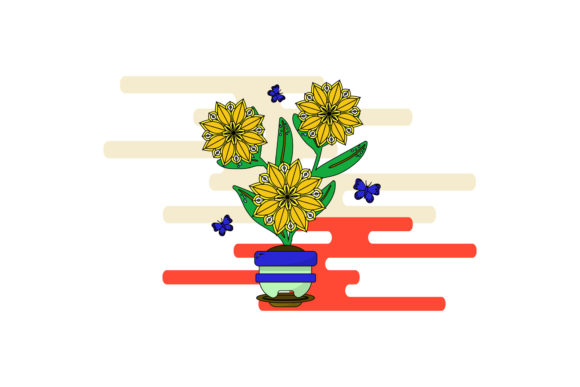
Flower Pot Decorative Clipart: A Practical Guide to Selection and Application
In the realm of visual design, few elements are as universally versatile or emotionally resonant as botanical imagery. Among these, flower pot decorative clipart occupies a unique niche that bridges the gap between organic nature and structured composition. Whether you are designing a greeting card for a gardening enthusiast, creating branding materials for a local nursery, or developing digital assets for a home decor blog, the specific choice of imagery can significantly influence the final outcome. This evaluation explores what makes this category distinct, how it compares to broader illustrative options, and the practical considerations involved in selecting the right digital files for your projects.
Understanding the Distinct Value of Flower Pot Imagery
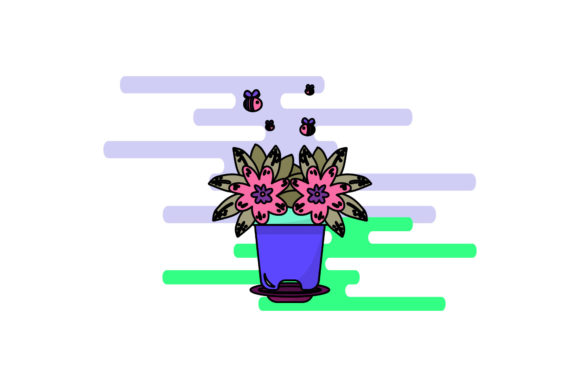
Unlike generic floral illustrations that focus solely on petals and stems, flower pot decorative clipart introduces a container element that grounds the design. This addition provides a sense of scale, context, and domesticity. The inclusion of the pot transforms a simple plant into a curated object, suggesting themes of growth, care, home improvement, and sustainability. When evaluating flower pot decorative clipart, designers often look for variations in style—from rustic terracotta textures to modern ceramic minimalism—which allows for a tailored aesthetic match with the surrounding content.
The utility of these graphics extends beyond mere decoration. They serve as functional anchors in layout design, offering a focal point that draws the eye without overwhelming delicate typography. For professionals in the crafting industry, particularly those utilizing cutting machines like Cricut or Silhouette, the vector-based nature of high-quality clipart is essential. It ensures that when a design is scaled up for a large banner or down for a small sticker, the integrity of the lines remains sharp. This scalability is a primary differentiator between raster images found in stock libraries and dedicated vector assets designed for manipulation.
Evaluating File Formats and Technical Flexibility
One of the most critical factors in choosing digital design resources is the format in which they are delivered. A robust collection of flower pot decorative clipart typically offers a comprehensive suite of file types to accommodate various software environments and end-use scenarios. The standard expectation for professional-grade assets includes a mix of editable vector formats and optimized raster files.
- AI and EPS Files: These native Adobe Illustrator and Encapsulated PostScript files are indispensable for graphic designers. They allow for non-destructive editing, meaning you can change colors, adjust line weights, or combine shapes without losing quality. If your project requires customizing the pot's glaze color or altering the plant type within the illustration, these formats provide the necessary flexibility.
- SVG and DXF Files: For users focused on digital fabrication, cut files are paramount. SVG (Scalable Vector Graphics) is the standard for web design and many modern cutting machine applications, while DXF (Drawing Exchange Format) is widely used in CAD software and industrial cutting workflows. Having both ensures compatibility across a wide range of hardware and software ecosystems.
- JPG and PNG Files: While less editable, these raster formats are crucial for quick deployment. A 1920px by 1280px canvas size, as commonly found in premium sets, provides high-resolution imagery suitable for print media, social media headers, and website backgrounds. The inclusion of transparent PNGs is particularly valuable, allowing the flower pot design to be layered seamlessly over any background without unsightly white boxes.
When comparing options, the breadth of formats included in a single download is a strong indicator of value. Many budget-friendly alternatives may offer only JPGs, limiting their utility for professional production. Conversely, a complete package that includes six distinct file types—spanning from source vectors to ready-to-use rasters—eliminates the need for time-consuming conversion processes or purchasing additional licenses later.
Comparing Approaches: Clipart vs. Photography and Custom Illustration
Designers often face a triad of choices: using pre-made clipart, sourcing photography, or commissioning custom illustrations. Each approach has distinct tradeoffs regarding cost, time, and creative control.
Photography offers unparalleled realism and texture. However, it lacks the versatility of clipart. You cannot easily remove a distracting background, change the pot's color, or isolate the plant from the soil without advanced photo editing skills. Furthermore, lighting conditions in photos can limit where the image fits within a design layout. Flower pot decorative clipart solves these issues by providing clean, isolated elements that integrate smoothly into diverse compositions.
Custom Illustration provides total uniqueness but comes with significant financial and temporal costs. Hiring an artist to create a bespoke set of flower pots can take weeks and require a substantial budget. For projects with tight deadlines or limited funds, pre-designed clipart serves as an efficient alternative. While it may not be one-of-a-kind, a well-crafted clipart set can achieve a similar level of polish and professionalism at a fraction of the cost.
The decision often hinges on the intended use. If the goal is to create a highly stylized, cohesive brand identity where every element must align perfectly, custom work might be superior. However, for marketing materials, event invitations, or educational resources where speed and variety are key, flower pot decorative clipart offers the ideal balance of efficiency and aesthetic appeal.
Best-Fit Situations and Potential Limitations
Identifying the right context for using these assets is vital for effective design. Flower pot decorative clipart excels in scenarios requiring a friendly, approachable, or earthy tone. It is particularly effective in:
- Event Design: Wedding invitations with a garden theme, baby shower decorations, or birthday cards benefit from the whimsical nature of potted plants.
- Educational Materials: Worksheets, posters, and digital learning modules often use these graphics to teach concepts related to biology, environmental science, or home economics.
- Small Business Branding: Local florists, plant shops, and eco-friendly startups frequently utilize these images to establish a connection with nature and community.
- Crafting Projects: Physical products like t-shirts, tote bags, mugs, and vinyl decals rely heavily on the vector capabilities of clipart to ensure crisp edges during the printing or cutting process.
However, there are limitations to consider. Because clipart is pre-made, it may not perfectly match specific brand guidelines or unique architectural styles of a client's actual location. Additionally, the "look" of the clipart must align with the overall design language; a highly detailed, realistic vector pot might clash with a flat, geometric design style. In such cases, designers may need to simplify the clipart or choose a more abstract representation.
Another consideration is the resolution of the raster files provided. While 1920px by 1280px is sufficient for most digital screens and medium-sized prints, it may fall short for large-format commercial printing, such as billboards or building wraps. In these instances, relying solely on the JPG/PNG versions would be insufficient, and the vector files (AI/EPS/SVG/DXF) become mandatory for scaling without pixelation.
Decision Factors for Informed Selection
When evaluating different resources for flower pot decorative clipart, the focus should remain on the workflow integration and long-term usability of the assets. A prudent approach involves checking the following criteria before making a selection:
- Editing Capability: Does the package include source files? The ability to open and modify the design in vector software is a non-negotiable feature for serious creators.
- Format Variety: As noted earlier, a comprehensive set reduces friction. Receiving AI, EPS, SVG, DXF, JPG, and PNG files in one transaction saves time and ensures compatibility with diverse tools.
- Canvas Size: High-resolution raster files (such as 1920x1280) indicate a commitment to quality. Lower resolutions can lead to blurry outputs when printed or displayed on high-DPI screens.
- Licensing Terms: Ensure the usage rights align with your project scope. Commercial use, print runs, and redistribution policies vary widely among providers.
Ultimately, the choice between different clipart options depends on the specific demands of the project. For a quick social media post, a PNG might suffice. For a full-scale marketing campaign involving print and digital media, the availability of editable vector formats is essential. By understanding these nuances, designers can select flower pot decorative clipart that not only looks good but also functions effectively within their technical and creative constraints.
The market is saturated with options, but the most valuable resources are those that prioritize user flexibility. A collection that offers a balanced mix of formats and high-resolution standards empowers the creator to adapt the imagery to any situation. Whether the goal is to craft a heartfelt thank-you note, produce a series of promotional stickers, or develop a sophisticated brand identity, the right digital assets serve as the foundation for success. By focusing on technical specifications and practical application rather than just visual appeal, professionals can make informed decisions that enhance the quality and efficiency of their design workflow.