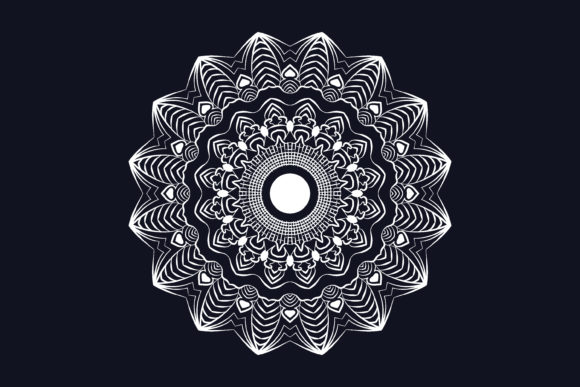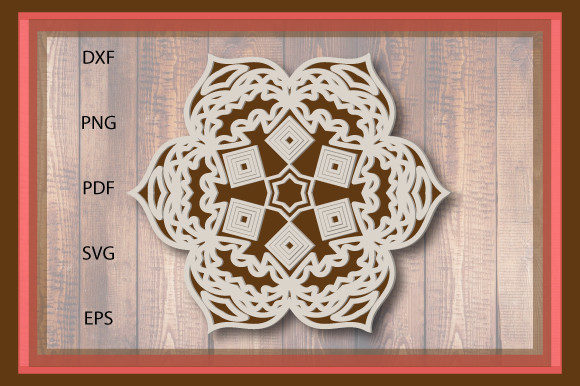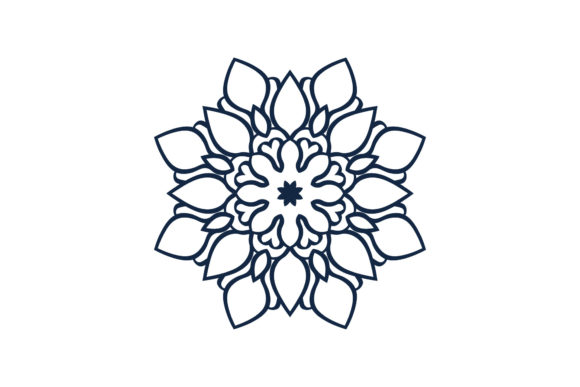
Mandala Decorative Henna Pattern
In an era where digital creativity meets traditional artistry, the Mandala Decorative Henna Pattern stands out as a timeless element that transcends mere decoration. It is more than just an intricate design; it represents a fusion of cultural heritage and modern utility. Whether you are a graphic designer looking to add depth to a project, a small business owner needing unique branding assets, or a hobbyist eager to explore laser cutting and vinyl crafting, this specific pattern offers a versatile solution. The resurgence of interest in geometric and spiritual aesthetics has brought these designs back into the spotlight, not just for their visual appeal but for their adaptability across various mediums.
The relevance of the Mandala Decorative Henna Pattern today lies in its ability to bridge the gap between organic flow and precise geometry. Modern workflows demand assets that are not only beautiful but also technically robust. This is where the true value of high-quality digital files comes into play. Designers no longer have to spend hours tracing complex lines by hand or settling for low-resolution images that pixelate when scaled up. Instead, they can access a library of editable vectors that maintain crisp edges at any size, ensuring professional results every time.
The Evolution of Digital Art Assets
The journey from physical henna application to digital vector graphics marks a significant shift in how we consume and utilize art. Traditionally, henna was ephemeral, fading away with the skin's natural exfoliation. Today, however, the patterns themselves have been immortalized in code. This evolution allows creators to integrate these motifs into permanent products like apparel, home decor, and signage without losing the integrity of the original design. The trend toward personalization and custom-made goods has driven a massive demand for such high-fidelity assets. Consumers expect unique, bespoke items, and professionals need the tools to deliver them efficiently.
Furthermore, the rise of maker culture and the proliferation of CNC machines, laser cutters, and vinyl plotters have changed the landscape for crafters. These devices require specific file formats to function correctly. A standard image file often fails to provide the necessary precision for cutting paths. By utilizing a Mandala Decorative Henna Pattern provided in vector formats, users unlock the potential for mass production or one-off custom projects with equal ease. This accessibility democratizes high-end design, allowing independent creators to compete with larger studios.
Understanding the Technical Advantage: 6x Digital Files
When evaluating digital resources, the format variety is often the deciding factor for usability. A single file type rarely serves all purposes. That is why receiving a comprehensive package is crucial for efficiency. The inclusion of six distinct file types ensures compatibility across different software ecosystems and hardware requirements. This multi-format approach eliminates the friction of conversion, saving valuable time in the production pipeline.
- AI File: The native Adobe Illustrator format is the gold standard for vector editing. It allows professionals to tweak anchor points, adjust stroke weights, and modify colors while retaining full scalability. For those deep in the Adobe Creative Cloud ecosystem, this is the primary working file.
- EPS File: Encapsulated PostScript remains a universal standard for exchanging vector data between different applications and operating systems. If you are working on older software or sharing files with clients who use non-Adobe tools, the EPS format guarantees that your Mandala Decorative Henna Pattern renders correctly.
- SVG File: Scalable Vector Graphics are essential for web designers and developers. They allow the pattern to scale infinitely on screens without losing quality, making them perfect for responsive websites, mobile apps, or interactive digital displays.
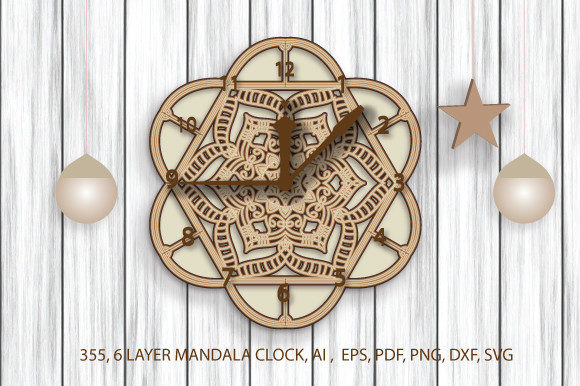
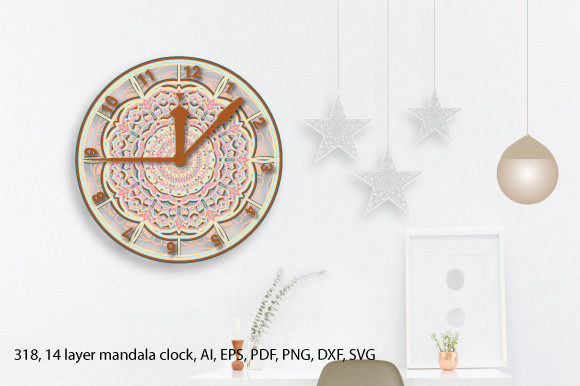
- DXF File: Drawing Exchange Format is critical for engineering and manufacturing contexts. Users of AutoCAD, laser cutters, and plotter software rely on DXF files to create precise cutting paths. This format ensures that the intricate details of the henna design translate perfectly into physical materials like wood, acrylic, or metal.
- JPG File: While raster-based, the JPG provides a quick preview or a ready-to-use image for social media posts, email newsletters, or print layouts where vector editing is not required. Its ubiquity makes it a safe backup option.
- PNG File: With support for transparency, the PNG is indispensable for overlaying the pattern onto photos, backgrounds, or other design elements. It preserves the clean edges of the henna design without the white box background that often complicates layering.
This diverse collection, all housed within a 1920px X 1280px Canvas Size, provides a balanced resolution that is large enough for detailed work yet optimized for screen viewing and moderate printing needs. The ability to edit these designs means you are not locked into a static image. You can recolor the mandala to match your brand palette, resize it to fit a t-shirt sleeve or a large wall mural, and rearrange the elements to suit your composition.
Practical Applications for Professionals and Creators
The versatility of the Mandala Decorative Henna Pattern extends far beyond simple decoration. For marketers and bloggers, these patterns serve as powerful visual anchors. In a crowded digital landscape, a well-placed mandala can draw the eye and convey a sense of balance and sophistication. Imagine using the SVG version in a website header or the PNG version as a watermark for exclusive content. The intricate details add texture and depth that flat colors cannot achieve.
For educators and workshop leaders, these files offer practical teaching tools. They can be projected onto screens to demonstrate symmetry, geometry, or cultural history. Alternatively, they can be printed as coloring pages or used in digital art classes to teach students about pathfinding and vector manipulation. The educational value lies in the clarity of the lines and the complexity of the structure, which invites exploration and analysis.
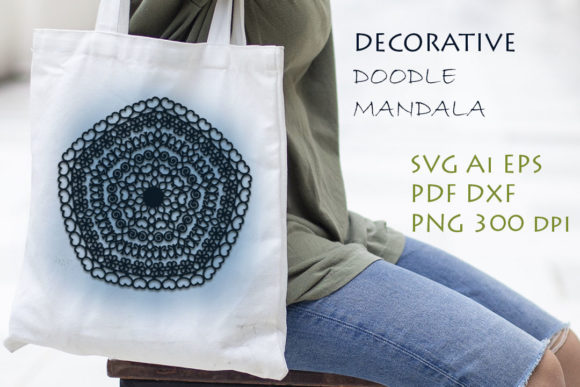
Entrepreneurs and business owners find immense value in these assets for product development. A boutique clothing line might use the pattern for fabric prints, while a home decor brand could apply it to ceramic tiles or wooden coasters via laser engraving. The DXF and AI files facilitate this transition from concept to physical product seamlessly. By having the source files, businesses retain full ownership and control over their intellectual property, avoiding the limitations of stock photography licenses that often restrict commercial use.
Adapting to Changing Market Preferences
Current market preferences are shifting towards authenticity and craftsmanship. Even in the digital realm, there is a hunger for designs that feel human-made and culturally rich. The Mandala Decorative Henna Pattern taps directly into this sentiment. It resonates with audiences seeking mindfulness, spirituality, and connection to tradition. However, unlike generic clipart, this specific design offers the technical flexibility to meet modern demands. It respects the past while embracing the future of digital fabrication.
As remote work and freelance opportunities continue to grow, the need for efficient, high-quality assets becomes even more pronounced. Freelancers cannot afford to waste hours fixing broken images or converting incompatible files. A package that delivers "Easy to edit and use" capabilities is a strategic advantage. It allows a solo creator to take on more projects, offering premium customization services that were previously reserved for larger teams.
Maximizing Your Creative Workflow
To truly leverage the potential of this asset, start by organizing your workflow around the specific strengths of each file format. Use the AI or EPS files for initial design conceptualization and color testing. Once the layout is finalized, export or save the appropriate versions for your final output. If you are preparing for print, ensure you convert to CMYK if necessary. If you are designing for the web, optimize the Svg or Png for load speed without sacrificing clarity.
Remember that the power of the Mandala Decorative Henna Pattern lies in its adaptability. Do not hesitate to combine it with other design elements, blend it with typography, or use it as a background texture. The intricate nature of the henna style works well in both monochromatic schemes and vibrant, multicolored compositions. By treating these files as foundational building blocks rather than finished products, you open up a world of creative possibilities.
Ultimately, investing in high-quality, versatile digital assets is an investment in your own productivity and creative freedom. The Mandala Decorative Henna Pattern package provides exactly what modern creators need: precision, variety, and ease of use. Thank you for visiting my product and considering this resource for your next project. With 6x digital files ready to go, you are equipped to bring your vision to life, whether on a screen, a piece of paper, or a physical object.